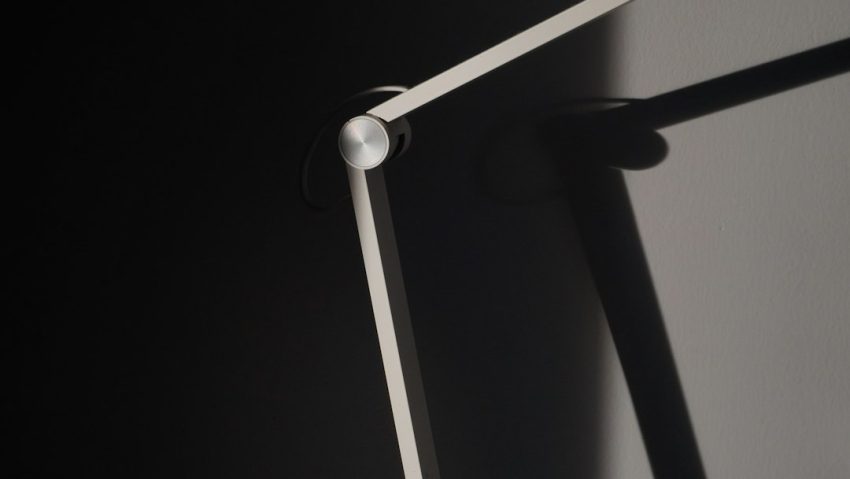
Illuminating Your Art with a Matte Black Metal Space-Saving Picture Light
You’re looking to showcase your artwork, photos, or even a cherished certificate on your wall, and you want it to look fantastic without drawing attention to the lighting fixture itself. That’s where a matte black metal space-saving picture light comes in. These lights are designed to subtly enhance your wall displays, offering focused illumination that highlights your pieces without glare or obtrusiveness. They’re practical, sleek, and blend seamlessly into most modern and even some traditional décors, making your art the star of the show.
Why Choose Matte Black Metal?
When it comes to picture lights, the material and finish play a huge role in both aesthetics and durability. Matte black metal isn’t just a trend; it’s a smart choice for several reasons.
The Appeal of Matte Black
Matte black is incredibly versatile. It’s a neutral color that pairs well with virtually any wall color, frame style, or artwork. Unlike shiny finishes, matte black absorbs light rather than reflecting it, which helps the fixture disappear into the background. This allows your eye to go straight to the illuminated artwork, which is exactly what you want. It’s sophisticated, understated, and timeless, making it a safe and stylish bet for long-term use.
Durability of Metal Construction
Metal, especially good quality metal, offers superior durability. It’s resistant to dents, scratches, and warping, ensuring your picture light maintains its appearance over time. This is particularly important for a fixture that you expect to last for years. Plastic alternatives, while sometimes cheaper, often feel flimsy and can degrade or discolor more quickly. Metal also conducts heat effectively, which is important for the longevity of the integrated LED components often found in modern picture lights.
Blending with Modern and Classic Decor
Whether your home has a minimalist modern vibe, industrial touches, or a more classic, traditional feel, matte black metal can fit right in. Its clean lines and unadorned finish don’t clash with ornate frames or overpower simple prints. In a contemporary setting, it reinforces the sleek aesthetic. In a more traditional space, it offers a subtle, updated contrast that can prevent the room from feeling dated. It’s a design chameleon, adaptable to many different stylistic preferences.
The “Space-Saving” Advantage
When we talk about “space-saving” in the context of a picture light, we’re not just referring to its physical footprint. It’s about how the design integrates into your living space without feeling bulky or demanding unnecessary attention.
Slim Profiles and Minimalist Design
Modern picture lights, especially those designed to be space-saving, often feature very slim profiles. This means the depth of the fixture, from the wall mount to the front of the light bar, is minimized. This is crucial for maintaining a clean aesthetic, especially in hallways or smaller rooms where protruding fixtures can feel intrusive. The minimalist design philosophy extends to the overall shape – often a simple, unembellished bar or tube – which further contributes to its unobtrusive nature. There are no fussy details or elaborate embellishments to distract from the art; the form follows the function of delivering light precisely where it’s needed.
Integrated LED Technology
A huge part of the space-saving aspect comes from the widespread adoption of integrated LED technology. Older picture lights often used incandescent or halogen bulbs, which were larger, generated more heat, and required more significant housing. LEDs, on the other hand, are tiny, energy-efficient, and produce very little heat. This allows manufacturers to design much more compact fixtures. The LED chips are often built directly into the light bar, eliminating the need for bulky bulb sockets or large reflectors. This integration is a game-changer for creating those sleek, low-profile designs that truly save space.
Preventing Visual Clutter
Beyond the physical dimensions, a space-saving picture light contributes to a less cluttered visual environment. A large, ornate, or brightly colored fixture can draw the eye away from the artwork and create a sense of visual noise on your wall. A matte black, slim-profile light recedes into the background, allowing the art to be the focal point. This creates a more serene and intentional display. Think of it like a carefully chosen frame: it enhances the art without competing with it. The less the light fixture itself demands attention, the more effectively it performs its role of highlighting your treasured pieces.
Key Features to Look For
Choosing the right picture light involves more than just aesthetics. Practicality and functionality are equally important. Here are some key features to consider.
Adjustable Brightness (Dimming Capability)
This is a big one. Not all artwork benefits from the same level of illumination. A delicate watercolor might look best with soft, subtle lighting, while a vibrant oil painting could handle (or even demand) brighter illumination. A picture light with dimming capabilities gives you that flexibility. Look for models that offer a wide dimming range, allowing you to fine-tune the brightness to perfectly complement your piece and the ambient light in the room. Some lights come with built-in dimmers, while others are compatible with external wall dimmers, so check the specifications.
Color Temperature Options (Warm vs. Cool Light)
Light isn’t just about brightness; its color temperature also makes a significant difference. Measured in Kelvins (K), color temperature dictates whether the light appears warm (more yellow/orange, like incandescent bulbs, typically 2700K-3000K) or cool (more blue/white, often 4000K-5000K+).
Impact on Artwork Appearance
Warm light tends to enhance reds, oranges, and yellows, making them appear richer and more vibrant. It’s often preferred for traditional art, portraits, or pieces with earthy tones. Cool light, on the other hand, can make blues, greens, and whites pop, and is often favored for modern art, abstract pieces, or black-and-white photography, as it can appear crisper and more accurate. Some lights offer adjustable color temperature, allowing you to switch between warm and cool, which is ideal if you plan to change the artwork you’re displaying frequently.
Adjustable Head and Angle
For optimal illumination, you need to be able to direct the light precisely. A good picture light will have an adjustable head or arm that allows you to pivot, tilt, or rotate the light source.
Eliminating Glare and Hot Spots
The goal is to evenly illuminate the artwork without creating harsh reflections or “hot spots” – areas that are significantly brighter than others. Adjustability allows you to angle the light just right, preventing glare on glossy surfaces (like glass-covered prints or framed photographs) and ensuring a smooth, uniform wash of light across the entire piece. This precision is essential for professional-looking displays.
Power Source and Installation
How the light gets its power and how it’s installed are practical considerations that can influence your choice.
Hardwired vs. Plug-in Options
Hardwired lights are connected directly to your home’s electrical system, usually through a junction box behind the fixture. This provides a clean, seamless look with no visible cords. However, it typically requires electrical work, which might mean hiring an electrician. Plug-in options, on the other hand, are much easier to install yourself – just mount the fixture and plug it into a nearby outlet. The downside is the visible cord, which some people find less aesthetically pleasing. If you go the plug-in route, consider cord management solutions to keep things tidy.
Ease of Installation
Even for hardwired fixtures, some designs are more DIY-friendly than others. Look for clear instructions and a mounting bracket that simplifies the process. If you’re not comfortable with electrical work, always err on the side of caution and call a professional, especially for hardwired installations.
Practical Considerations for Placement and Use
Once you’ve chosen your matte black picture light, proper placement and understanding its functionality are key to achieving the best results.
Sizing the Light to Your Artwork
One of the most common mistakes is choosing a light that’s either too small or too large for the piece it’s illuminating.
General Guidelines for Length
As a general rule, the picture light should be about half to two-thirds the width of the artwork it’s lighting. For example, if your painting is 24 inches wide, a picture light between 12 and 16 inches wide would be a good starting point. This ensures that the light spreads evenly across the piece without leaving dark edges or creating an overly bright center. Going too short will result in uneven lighting, while going too long might make the fixture itself too prominent.
Distance from the Wall and Artwork
The distance the light extends from the wall (its projection) and its height above the artwork are also important. Typically, picture lights are mounted 4-6 inches above the top of the frame. The projection should be sufficient to clear the top of the frame and allow the light to hit the artwork at an optimal angle. Too close, and you’ll get a concentrated beam; too far, and the light might spill onto the wall above the artwork. Experimentation with the adjustable head (if applicable) is often necessary to find the sweet spot for even illumination and to avoid glare.
Energy Efficiency and Longevity
Modern picture lights, particularly those with integrated LEDs, are designed with efficiency and durability in mind.
LED Benefits (Low Heat, Long Lifespan)
LEDs are incredibly energy-efficient, consuming significantly less power than traditional bulbs while producing more light. This translates to lower electricity bills. Another major advantage is their exceptionally long lifespan, often tens of thousands of hours. This means you won’t be changing bulbs frequently, which is a practical benefit, especially for lights mounted high up. Furthermore, LEDs produce very little heat, which is important for the preservation of delicate artwork that can be damaged by prolonged exposure to heat.
Maintenance and Care
Matte black metal is relatively easy to maintain. A simple wipe down with a dry or slightly damp microfiber cloth is usually all it takes to keep it looking pristine. Avoid harsh chemical cleaners or abrasive materials, as these can damage the matte finish. For dust buildup, a gentle dusting with a soft brush or duster is sufficient. Since LEDs are integrated, there are no bulbs to change. Just ensure the fixture remains dry and free from excessive dust buildup, and it should provide years of reliable service.
Enhancing Your Home’s Aesthetic
Beyond simply illuminating art, a well-chosen matte black metal space-saving picture light contributes significantly to the overall aesthetic and functionality of your home.
Creating Focal Points and Ambiance
Strategic lighting is a powerful tool in interior design. A picture light doesn’t just illuminate; it draws attention. By highlighting a specific piece of art, you create a focal point in the room, guiding the eye and adding visual interest. This can be particularly effective in larger rooms that might otherwise feel vast or undifferentiated. The focused light also contributes to the overall ambiance, adding a layer of sophistication and warmth. In a dining room, it can highlight a prized painting above a sideboard. In a living room, it can elevate a gallery wall.
Integrating with Smart Home Systems
Many modern picture lights are designed to be compatible with smart home ecosystems, offering an additional layer of convenience and control.
Remote Control and Voice Activation
Look for models that come with their own remote controls, allowing you to adjust brightness and color temperature (if available) without physically touching the fixture. Even better, some lights can integrate with smart home hubs like Amazon Alexa, Google Assistant, or Apple HomeKit. This enables voice control, allowing you to turn the light on/off or adjust settings with a simple command. This is particularly useful if the light is mounted high or in an inconvenient spot.
Scheduling and Automation
With smart home integration, you can often schedule your picture light to turn on and off at specific times, or even tie it into other smart home routines. For instance, you could have it turn on automatically when you enter the room, or dim slightly when you’re settling in for the evening. This level of automation not only adds convenience but also contributes to energy efficiency by ensuring the light is only on when needed.
Versatility Beyond Artwork
While called “picture lights,” these fixtures aren’t limited to just paintings or photographs. Their focused illumination and discreet design make them incredibly versatile.
Highlighting Certificates, Mirrors, or Collectibles
Think about other wall-mounted items that could benefit from a little spotlight. A row of antique plates, a beautifully framed mirror, a prized collection of medals, or even important professional certificates can all be elevated by a dedicated picture light. The matte black finish won’t compete with the item being lit, allowing its texture, details, and significance to shine through. It’s about enhancing anything you want to showcase on your wall in a subtle yet impactful way.