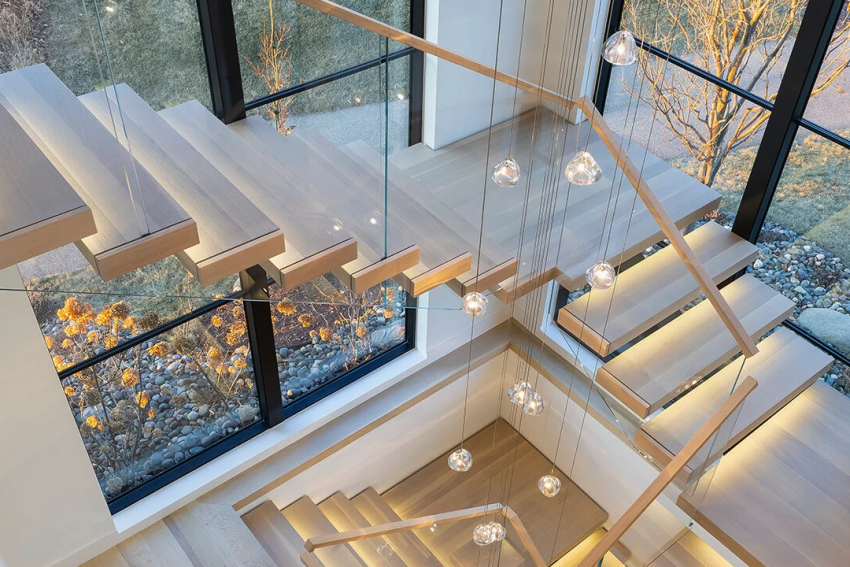
Ever looked up at a staircase and thought, “There’s something missing there”? If you’re considering lighting up your stairs, you’ve probably wondered about that cascading effect – the one where light seems to flow down like water. It’s a really effective way to add both drama and practicality. This article dives into stunning staircase cascade lighting, specifically from the viewpoint of looking up from below, explaining how it works, what makes it work, and how you can achieve that wow factor without it feeling overdone.
What exactly is this “cascade” we’re talking about? It’s not just about sticking a few lights Hooala on your stairs. It’s a deliberate design choice that uses the placement and type of lights to create a flowing, downward motion of illumination. Think of it like a gentle waterfall of light, guiding your eye and your feet.
The Illusion of Flow
The key to the cascade effect is creating a sense of continuous movement. This is achieved through strategically placed light sources that appear to “pour” down from one level to the next. It’s less about a single bright light and more about a series of subtle highlights that connect.
Visualizing the Descent
When you’re looking up from the bottom of the stairs, the effect is even more pronounced. The lights seem to recede into the distance, emphasizing the height and the journey upwards. It can make a standard staircase feel much grander and more inviting.
Beyond Simple Illumination
This isn’t just about making sure you don’t trip in the dark. Cascade lighting elevates the staircase from a purely functional element to a design feature. It’s about creating an experience, a welcoming beacon that draws you in.
Where to Place Your Lights for the Best Cascade
The magic of cascade lighting is entirely in its placement. It’s a meticulous process, and understanding the “why” behind each location is crucial. We’re focusing on what you see from below, so imagine yourself standing at the foot of the stairs and looking up.
Under the Nosing
This is arguably the most classic and effective location for achieving a cascade effect. Placing small, discreet LED strip lights or puck lights just under the lip (the “nosing”) of each stair tread creates a beautiful, subtle glow that washes down the riser of the step below.
The Subtle Spill
When viewed from below, the light spills downwards, highlighting the edge of each step. This creates a soft, diffused glow that doesn’t glare directly into your eyes. It’s about illuminating the path without being harsh.
Depth and Dimension
This under-nosing placement adds a remarkable sense of depth. The shadows cast by the lip of the step, combined with the light washing down, create a layered effect that’s visually very appealing when you’re looking up.
Practicality Meets Aesthetics
Not only does it look good, but it also makes each step incredibly clear and safe to navigate, especially in lower light conditions.
Along the Stringer (The “Cheek”)
The stringer, the side piece that supports the staircase, offers another excellent opportunity for cascade lighting. You can integrate lights directly into the stringer itself.
Integrated Strips
LED strip lights can be recessed into a routed channel along the stringer, facing downwards. This creates a clean, modern look. When you’re below, you’ll see these lights drawing a continuous line of illumination down the side of the stairs.
Accentuating Architectural Lines
This placement is fantastic for highlighting the architectural lines of your staircase. It can make a simple stringer feel like a sculpted element.
Avoiding Direct Glare
The key here is to ensure the lights are angled correctly or diffused so you don’t get a direct, harsh glare when looking up. Sometimes, a frosted diffuser can do wonders.
Within the Risers
For a more dramatic and perhaps more challenging installation, you can integrate lights directly into the risers themselves.
Downward-Facing Spots
Small, recessed LED spotlights can be installed at the top of each riser, pointing downwards. This will create pools of light on the tread of the step below.
A Dramatic “Drip” Effect
From below, this can create a powerful visual effect, almost like light dripping from one step to the next. Each riser becomes its own illuminated panel.
Considerations for Traffic
Be mindful of where people’s feet will be. You don’t want to create a tripping hazard or have lights that are easily kicked or damaged.
Around the Handrail Posts
If your staircase has decorative posts or newel posts, integrating subtle lighting around their base or along their length can contribute to the overall cascade.
Low-Level Accent
Small, downward-facing lights hidden around the base of a post can cast a gentle wash of light onto the surrounding treads and risers.
Creating a Gentle Flow
This adds another layer to the cascade, subtly guiding the eye and connecting the vertical elements with the horizontal steps.
The “Ghost” Effect
This is more of a conceptual approach but worth mentioning. It involves using very subtle, almost invisible lighting elements that only reveal themselves when you look closely, creating a sense of ethereal light flow.
Hidden Luminaires
Tiny pinhole lights or fiber optics carefully concealed within the structure can create this effect.
Building Atmosphere
The goal here is pure atmosphere and a sense of wonder, rather than direct task lighting.
Choosing the Right Lights for a Cascading Look
The type of light fixture you choose is as important as where you put it. For a cascade effect, you’re generally looking for something subtle, controllable, and designed for downward illumination.
LED Strip Lights: The Versatile Workhorse
LED strips are incredibly popular for staircase lighting because of their flexibility and adaptability.
Continuous Runs
They allow for continuous runs of light, which is perfect for creating that flowing cascade. You can cut them to size and shape them to fit curves or angles.
Dimmable Control
Crucially, most LED strips are dimmable. This is vital for controlling the intensity of your cascade and preventing it from becoming overwhelming. You can set a soft glow for the evening and a brighter, more functional level during the day.
Color Temperature
Consider the color temperature of your LEDs. Warm white (around 2700K-3000K) often creates a cozier, more inviting atmosphere, while cooler whites can feel more modern and crisp. For a cascade, warm white usually feels more natural and less sterile.
Diffusers for Smoothness
If you’re using LED strips, consider using diffusers. These are essentially covers that spread out the light from individual LEDs, creating a smooth, unbroken line of illumination rather than seeing the individual dots of light. This is essential for a proper cascade effect.
Puck Lights and Micro-Downlights: Focused Illumination
For more targeted lighting, especially within risers or under nosings, puck lights or very small downlights can be effective.
Precise Placement
These offer more precise placement and can create distinct pools of light or focused beams.
Integrated Seamlessness
When installed flush or recessed, they can blend seamlessly into the staircase structure.
Energy Efficiency
Like LED strips, they are energy-efficient and long-lasting.
Fiber Optics: The Ethereal Option
For a truly unique and subtle cascade, fiber optics can be a remarkable choice, though they require a different installation approach.
Micro-Points of Light
Fiber optics consist of a light source (often a projector) and bundles of thin fibers. The ends of the fibers can be embedded into the staircase, creating tiny, star-like points of light.
Gradual Illumination
By varying the density and spacing of the fiber optic ends, you can create a gradual, almost shimmering cascade of light.
Subtle and Sophisticated
This is an excellent option if you want a very understated, high-end look.
Smart Lighting Integration
Modern smart lighting systems offer even more control. You can program sequences, adjust brightness remotely, and even tie your staircase lighting into motion sensors.
Motion-Activated Cascades
Imagine lights slowly illuminating as you approach the stairs, creating a responsive and welcoming experience.
Scheduled Ambiance
You can set different lighting moods for different times of day or even for specific events.
Crafting the Cascade: Practical Tips and Considerations
Achieving that stunning cascade effect isn’t just about buying the right lights; it’s about thoughtful planning and execution.
Safety First, Always
This is paramount. Ensure all electrical work is done by a qualified electrician. Exposed wires or poorly secured fixtures are a major hazard.
Proper Wiring and Power
Your electrician will need to plan the wiring carefully, ensuring it’s hidden and safe. Consider how you’ll power the lights – often a discreet power supply hidden in a nearby wall cavity or the basement is used.
Weatherproofing (if applicable)
If your staircase is outdoors, you’ll need specifically rated, weatherproof fixtures and wiring.
Aim for Subtlety, Not Blinding Brightness
The goal is an elegant flow, not a spotlight on each step. Overly bright lights can be harsh, cause glare, and ruin the desired effect.
Dimmer Switches are Non-Negotiable
You absolutely need dimmer switches for your staircase lighting. This gives you the flexibility to adjust the mood and intensity.
Test in Different Light Conditions
What looks good at noon might be too bright at midnight. Test your lighting at various times of the day and night.
Consistency is Key
Whatever placement and type of light you choose, maintain consistency across the staircase. A jumble of different lighting styles will break the cascade illusion.
Uniform Spacing
Ensure your lights are evenly spaced for a smooth, uninterrupted flow.
Consistent Color Temperature
Use the same color temperature LEDs throughout the staircase. Mixing warm and cool whites will look disjointed.
Concealment of Fixtures and Wiring
The best cascade lighting is often the least visible. Fixtures should be discreet or integrated, and all wiring should be hidden.
Recessed Installations
Recessed lighting or routing channels for LED strips create a clean, professional look.
Junction Boxes and Power Supplies
Ensure these are accessible for maintenance but hidden from view.
Professional Installation for Best Results
While DIY is possible for some aspects, particularly with pre-made LED kits, a professional electrician is essential for safe and effective installation.
Expert Advice
An experienced electrician can advise on the best placement, wiring methods, and power requirements for your specific staircase.
Code Compliance
They will ensure your installation meets all local building codes and safety regulations.
The View from Below: Amplifying the Cascade
What makes the view from below so special for cascade lighting? It’s about perspective, visual trickery, and embracing the architecture from a unique angle.
The Sense of Scale and Depth
Looking up from the bottom exaggerates the height of your staircase. The cascading lights enhance this by creating visual lines that recede into the distance, making the staircase feel even grander and more imposing.
Leading Lines
The lights act as “leading lines,” drawing your eye upwards along the architectural form. This creates a sense of journey and anticipation.
Layering of Light and Shadow
The way light spills from one step to the next, combined with the shadows cast by the nosings, creates a rich, layered visual. This depth is more apparent when viewed from below.
Dramatic Flair and Ambiance
When you’re at the bottom, a well-executed cascade lighting scheme can be incredibly dramatic. It transforms a simple stairwell into a feature piece.
Welcoming Glow
It provides a soft, inviting glow that beckons you upwards, especially noticeable when entering a home at night.
Architectural Highlighting
The lights emphasize the structure of the stairs – the angles, the curves, the materials.
Avoiding Glare and Discomfort
This is where the “view from below” perspective is crucial. Lights placed directly in your line of sight when looking up can be incredibly uncomfortable.
Indirect Illumination
The best cascade lighting uses indirect illumination – light bouncing off surfaces or washing down from above.
Strategic Shielding
Fixtures are often designed with shields or diffusers to direct light downwards and away from direct viewing angles.
The “Wow” Factor
This is the ultimate goal for many. A stunning cascade of light is a conversation starter and leaves a lasting impression.
Memorable Entrance
It’s the kind of detail that guests will comment on and remember.
Elevating the Everyday
It turns a mundane necessity – climbing stairs – into a visually engaging experience.
Beyond the Basics: Advanced Cascade Techniques and Future Trends
Once you’ve mastered the fundamentals, there are always ways to push the boundaries of staircase cascade lighting.
Integration with Smart Home Systems
This is no longer a niche trend; it’s becoming standard. Imagine your staircase lighting syncing with your entryway lights, or subtly increasing in brightness as you approach.
Geofencing
Lights could even activate as your phone enters the vicinity of your home.
Voice Control
“Hey Google, turn on the staircase lights to accent mode.”
Color-Changing LEDs for Dynamic Effects
While subtle warm white is classic, the option for RGB or tunable white LEDs opens up a world of possibilities.
Mood Setting
You could program subtle color shifts for holidays, parties, or just to change the mood of your home.
Gentle Transitions
Instead of harsh on/off, imagine a slow, subtle shift in color temperature or hue.
Motion- and Presence-Sensing Cascades
This is about intelligence in lighting. Lights that respond to movement can create both functional and theatrical effects.
Step-by-Step Illumination
As you ascend, each step lights up just before you reach it, creating a seamless path. From below, you’d see this sequential lighting appear to flow down the stairs as someone moves up.
Security Enhancements
Lights that activate when motion is detected can also serve a security purpose.
Minimalist and Hidden Lighting Solutions
The trend continues towards ever-more discreet and integrated lighting.
Edge-Lit Acrylics
Thin panels of acrylic can be edge-lit and integrated into risers or stringers, creating a glowing effect without visible fixtures.
Micro-LED Systems
Advancements in LED technology allow for incredibly small and powerful light sources that can be almost invisible.
The Future: Biodegradable and Energy-Harvesting Lights?
While still in the realm of speculation for mainstream home use, research into sustainable lighting is ongoing. Imagine lights powered by ambient energy or made from biodegradable materials.
Long-Term Sustainability
This is about reducing the environmental impact of our illuminated homes.
Innovative Design Possibilities
New materials and power sources will undoubtedly lead to entirely new lighting aesthetics.
In conclusion, stunning staircase cascade lighting, especially when viewed from below, is a sophisticated approach that blends functionality with dramatic visual appeal. It’s about understanding light, its behavior, and how strategic placement can transform a simple architectural feature into a captivating element of your home. By focusing on subtle illumination, thoughtful fixture selection, and professional execution, you can create a staircase that not only guides your way but also leaves a memorable impression.