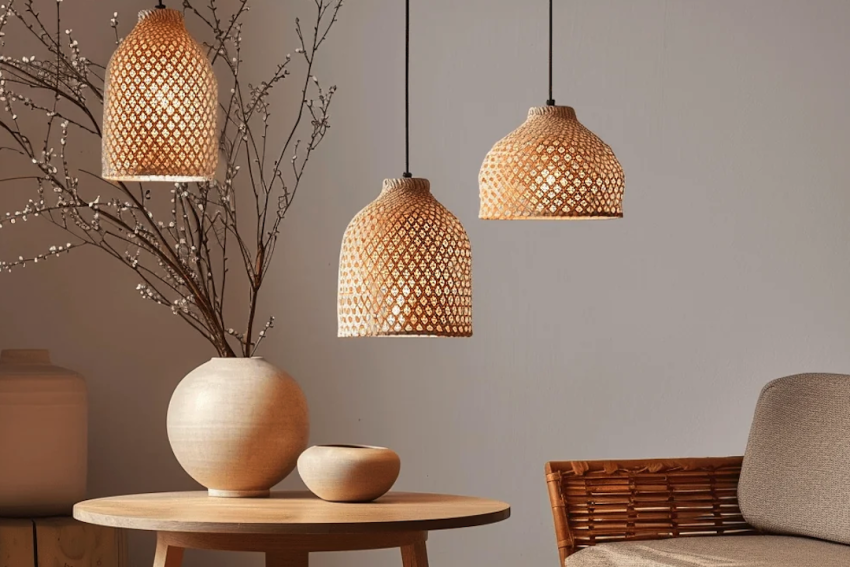
Ever feel like a room just feels a bit… harsh? Like the corners are too sharp, or the overall vibe is a little too much like a sterile office? You’re probably experiencing the effects of “organic lighting,” and it’s a surprisingly simple yet impactful way to soften up those often-unforgiving square spaces. Think of it as adding a gentle hug to your room.
What Exactly is Organic Lighting?
So, what’s the big deal with “organic lighting”? At its core, it’s about moving away from those stark, direct, and often unpleasantly bright light sources Ebonsi that can make a room feel flat and unwelcoming. Instead, it’s about creating a softer, more diffused, and layered lighting experience. It’s less about bombarding the space with light and more about coaxing it out, making it feel natural and inviting, like sunlight filtering through leaves. This approach aims to mimic the way light behaves in nature – it’s rarely a single, harsh beam.
Why Square Spaces Need a Softer Touch
Most rooms are, well, square (or rectangular). And while that’s practical for furniture arrangement and general use, it can sometimes lead to a feeling of sameness or even rigidity. Sharp corners and flat walls can benefit immensely from a lighting strategy that introduces curves, shadows, and varying levels of brightness. It’s about breaking up those straight lines and creating a more dynamic, comfortable atmosphere. Imagine a perfectly balanced shadow playing against a wall – it adds depth and visual interest that a single, bright overhead light simply can’t achieve.
The Foundations of Organic Lighting
Before we dive into specific techniques, let’s get a handle on the fundamental principles that make organic lighting work. It’s not just about buying a fancy lamp; it’s about thinking about how light interacts with your space.
Layering is Key
This is perhaps the most crucial concept. Organic lighting isn’t about one big light. It’s about building up light from multiple sources, at different heights, and with different intensities. Think of it like creating a natural landscape, where sunlight hits different surfaces at different angles and intensities throughout the day.
Ambient Lighting: The Gentle Wash
This is the foundational layer of light in any room. It provides the overall illumination, but with organic lighting, it’s not about a single, blinding overhead fixture.
- Indirect Illumination: Instead of pointing lights directly down, aim them towards the ceiling or walls. This bounces the light around the room, creating a soft, diffused glow that’s easy on the eyes. Think cove lighting or uplighters.
- Dimmer Switches are Your Friend: Being able to control the intensity of your ambient light is non-negotiable for organic lighting. A slightly dimmed ambient light can instantly create a cozier mood.
- Wall Washers: Fixtures that are designed to cast light evenly across a wall can add a subtle glow and highlight the texture of your paint or wallpaper, making the space feel richer.
Task Lighting: Focused but Gentle
This is the light you need for specific activities, like reading, cooking, or working. With organic lighting, task lighting isn’t harsh or glaring.
- Artful Placement: Position task lights so they illuminate what you need without creating distracting shadows or glares on other surfaces. For a desk, an adjustable lamp that can be angled is ideal.
- Softer Bulbs: Consider using bulbs with a warmer color temperature for task lighting, especially in living areas. This can make tasks feel less like a chore and more like a relaxed activity.
- Integrated Solutions: Think about built-in lighting under cabinets in the kitchen or integrated desk lamps in a home office. These can provide focused light without adding clutter.
Accent Lighting: Highlighting and Adding Drama
This layer is about drawing attention to specific features – artwork, plants, architectural details – and adding visual interest. It’s where you can really play with creating mood and depth.
- Spotlights with a Diffuser: Use spotlights sparingly and consider ones with a diffusion lens to soften the beam and prevent harsh hotspots.
- Grazing Walls: Placing lights low on the wall and angled upwards can create dramatic shadows and highlight the texture of the wall. This is particularly effective on textured plaster or brick.
- Highlighting Artwork: A well-placed picture light can bring a piece of art to life without overpowering the rest of the room.
The Importance of Light Source Quality
It’s not just how you use light, but what kind of light you’re using. The quality of the bulb makes a significant difference.
Choosing the Right Fixtures
The physical form of your light sources plays a big role in how light is distributed and perceived.
Lamps: More Than Just a Stand
Lamps are incredibly versatile for organic lighting. They can be moved, adjusted, and come in a huge variety of styles.
Floor Lamps: Vertical Versatility
- Uplighters: These lamps are designed to direct light upwards, bouncing it off the ceiling for a soft, general illumination. They’re great for filling in shadowy corners.
- Arc Lamps: Their curved design can add a visual softness, and they’re perfect for bringing light over a seating area without needing a ceiling fixture.
- Torchiere Lamps: Similar to uplighters, these provide a broad, diffused light that can make a room feel more spacious.
Table Lamps: Subtle Illumination
- Shades are Your Best Friend: The material and opacity of a lampshade are critical. Linen, parchment, or frosted glass will diffuse light much better than a thin, transparent shade.
- Layering with Table Lamps: A few well-placed table lamps, each with a slightly different light output, can create a beautiful tapestry of light across a room. Don’t just put one in each corner; experiment with placing them on side tables, console tables, or even bookshelves.
- Adjustable Shades: Lamps with adjustable shades allow you to direct light where you need it most, whether it’s onto a book or away from a reflective surface.
Ceiling Fixtures: Rethinking the Overhead
The traditional overhead fixture can be a major culprit of harsh lighting. Here’s how to soften its impact or replace it entirely.
Recessed Lighting: The Subtle Approach
- Baffle Trim: This type of trim has a ribbed surface that helps to reduce glare by absorbing light.
- Opal Diffusers: Some recessed fixtures come with an opal glass or acrylic cover that softens the light considerably.
- Strategic Placement: Don’t line them up in a grid. Consider placing them to wash walls or highlight specific areas rather than just flooding the center of the room.
- Consider Fewer, Larger Fixtures: Instead of many small, bright recessed lights, a few larger, diffused fixtures can provide a more integrated and softer light.
Pendant Lights: Decorative and Diffused
- Opaque Shades: Look for pendants with opaque or semi-opaque shades that obscure the bulb and soften the light output.
- Downward or Upward Facing: Some pendants are designed to cast light downwards, while others direct it upwards to the ceiling, providing ambient light.
- Groups of Pendants: A cluster of smaller, well-chosen pendant lights can create a visually interesting and softly lit focal point.
Wall Sconces: Adding Ambiance
Wall sconces are excellent for adding ambient light and creating a sophisticated feel.
- Upward-Facing Sconces: These are fantastic for bouncing light off the ceiling, contributing to that soft, diffused effect.
- Shades for Diffusion: Many sconces come with shades that soften the light and add a decorative element.
- Placement for Effect: Consider placing sconces on either side of a doorway, a fireplace, or a piece of art to draw the eye and create a warm glow.
The Color and Quality of Light Matters
Beyond the fixture and its placement, the actual light emitted from the bulb has a huge impact on the mood of a room.
Color Temperature: Warmth and Coolness
This refers to the “color” of the light itself, measured in Kelvin (K).
Warm White (2700K – 3000K): The Cozy Choice
- Mimics Incandescent Light: This is the kind of light that feels warm, inviting, and natural, similar to traditional incandescent bulbs.
- Ideal for Living Areas: Perfect for living rooms, bedrooms, and dining rooms where you want to create a relaxed and cozy atmosphere.
- Softens Edges: Warm light tends to make colors appear richer and can soften the perceived sharpness of architectural features.
Neutral White (3500K – 4100K): The Balanced Option
- Natural Daylight Feel: This temperature is often described as feeling like daylight, offering a good balance between warmth and clarity.
- Good for Kitchens and Bathrooms: It can provide enough brightness for tasks without feeling overly sterile.
- Versatile: Can work well in hallways or entryways where you want a clear but not harsh light.
Cool White/Daylight (5000K+): Use with Caution
- Blueish Hue: This light can feel very bright and energizing, but it can also feel stark and artificial, especially in a home setting.
- Best for Task-Oriented Areas: Might be suitable for a dedicated home office or a workshop where task performance is paramount, but even then, consider if a warmer tone would be more comfortable for extended periods.
- Can Make Spaces Feel Colder: In square spaces, cool light can emphasize the rigidity and make the room feel less inviting.
Color Rendering Index (CRI): How True Are the Colors?
CRI measures how accurately a light source reveals the true colors of objects.
The Importance of High CRI
- A CRI of 90+ is Recommended: For organic lighting, you want your colors to look as natural as possible. A bulb with a high CRI will make your paint colors, artwork, and furnishings appear vibrant and true to life.
- Avoid Low CRI Bulbs: Cheaper bulbs often have a low CRI, which can make colors look washed out or unnatural, undermining the softness you’re trying to achieve.
- See the Real Texture: High CRI light also helps to reveal the texture of surfaces, adding another layer of visual richness to your room.
Natural Light: The Ultimate Organic Source
While we’re talking about artificial lighting, it’s impossible to ignore the power of natural light. Organic lighting principles can be applied to maximize and enhance it.
Maximizing Natural Light
- Clean Your Windows: It sounds simple, but clean windows let in significantly more light.
- Light-Colored Window Treatments: Opt for sheer curtains, blinds, or shades that allow light to filter through rather than blocking it completely.
- Strategic Mirror Placement: Mirrors can bounce natural light deeper into a room, making it feel brighter and more spacious. Position them opposite windows.
Integrating Natural and Artificial Light
- Dimming for Twilight: As natural light fades, use your layered artificial lighting to transition smoothly into evening. Don’t just flip on the main overhead light; gradually introduce your ambient and accent layers.
- Complementary Color Temperatures: Try to use artificial lights that have a similar color temperature to the natural light present at different times of the day to create a seamless flow.
Bringing It All Together in a Square Space
Now, let’s think about how to apply these ideas to a typical square room.
Defining Zones with Light
Even in a square room, you can create different “zones” for different activities using light.
Seating Area Ambiance
- Task Light for Reading: A floor lamp or a well-placed table lamp beside a sofa or armchair.
- Ambient Wash: A floor lamp pointed towards the ceiling in a corner behind the seating area.
- Accent for Art: A small spotlight on a piece of artwork above the sofa.
Creating Depth on Walls
- Wall Grazing: Place small uplights or sconces at the base of opposite walls to cast shadows and highlight texture.
- Washing Walls: Use recessed lights with wall-washing trims to gently illuminate entire wall surfaces.
- Artwork Illumination: Accent lights on any wall art will draw the eye and prevent the walls from feeling like blank canvases.
Softening Corners and Edges
- Eliminate Shadow Pockets: Use uplighters or strategically placed lamps to fill in any dark corners that might make the room feel smaller or more confined.
- Curved Light Sources: Lamps with curved designs or shades can visually soften the sharp lines of a room.
- Bounce Light: The more you bounce light off surfaces like walls and ceilings, the less emphasis there will be on the room’s straight lines.
By thoughtfully layering different types of light, choosing fixtures that diffuse light, and paying attention to color temperature and quality, you can transform a rigid square space into a warm, inviting, and comfortable haven. It’s about creating a feeling, a mood, and a sense of welcome – all through the magic of light.