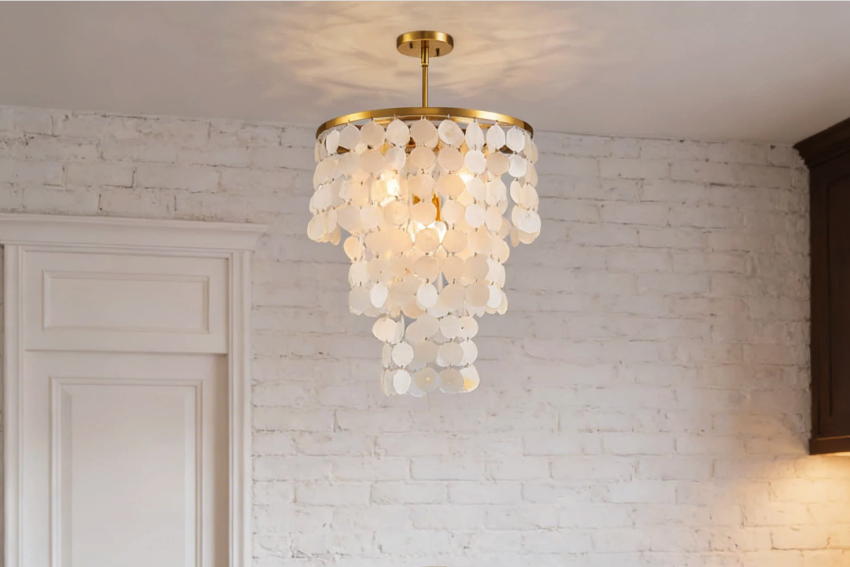
Capiz shell lighting, especially in a mid-century style for high ceilings, offers a unique blend of natural beauty and sophisticated design that genuinely stands the test of time. It’s a fantastic way to introduce organic texture and a warm, inviting glow into a space, making a statement without overwhelming the room. Think of it as jewelry for your ceiling – distinctive, elegant, and always in style.
So, why are these shimmering discs still captivating designers and homeowners decades later? It boils down to their inherent qualities and the way they interact with light Catnup.
A Glimmering Natural Resource
Capiz shells, also known as windowpane oysters, have been used for centuries. Their translucence and delicate structure made them a natural choice for early windows in the Philippines, long before glass was readily available. This historical context adds a layer of charm to their modern application.
- Sustainable and Renewable: These shells are a byproduct of the seafood industry, making them a relatively sustainable and renewable resource. This resonates with contemporary values for eco-conscious design.
- Unique Iridescence: Each shell boasts a subtle, mother-of-pearl-like sheen. This isn’t a manufactured shine; it’s a natural phenomenon that creates a dynamic, ever-changing play of light and shadow, adding depth to any room.
The Mid-Century Modern Connection
Mid-century modern design, known for its clean lines, organic forms, and functional elegance, found a perfect partner in capiz. The natural, unadorned beauty of the shells complemented the era’s focus on natural materials and understated sophistication.
- Organic Shapes and Forms: Many mid-century capiz fixtures embraced geometric or sculptural shapes, echoing the period’s love for organic modernism. Think Sputnik-inspired designs or cascading waterfalls of shell.
- Warm, Diffused Light: The translucent nature of capiz shells means they diffuse light beautifully, creating a soft, ambient glow rather than harsh, direct illumination. This was highly valued in mid-century interiors, aiming for comfort and intimacy.
Why High Ceilings and Capiz Are a Perfect Match
High ceilings offer an incredible opportunity for dramatic lighting, and capiz shell fixtures are uniquely suited to take advantage of that vertical space. They add visual interest without feeling heavy or intrusive.
Utilizing Vertical Space Effectively
A vast empty ceiling can feel cold or uninviting. A well-chosen capiz light fixture fills that void with beauty and warmth.
- Creating a Focal Point: A large capiz chandelier or pendant instantly draws the eye upward, becoming the room’s central design element.
- Adding Scale and Grandeur: The sheer size and intricate detail of many high-ceiling capiz fixtures lend an undeniable sense of grandeur, elevating the entire space.
The Way Light Behaves
The magic really happens when light meets the shell, and this effect is amplified in a larger space.
- Cascading Light and Shadow: As light filters through the layers of shells, it creates a mesmerizing dance of light and shadow, adding movement and life to the room.
- Enhanced Ambiance: The soft, diffused light from capiz shells makes high-ceilinged rooms feel more intimate and welcoming, counteracting any potential cavernousness.
Choosing Your Capiz Shell High Ceiling Lighting
With so many options available, selecting the right fixture can feel a bit daunting. Here’s what to consider to ensure you pick a piece that truly shines in your space.
Style and Design Considerations
Think about the overall aesthetic of your room and how the light fixture will integrate.
- Chandelier vs. Pendant: For very high ceilings, a multi-tiered chandelier can make a grand statement. For slightly less towering heights or a more focused impact, a large pendant might be appropriate. Some designs also feature multiple pendants grouped together.
- Geometric vs. Organic: Do you prefer the structured elegance of a geometric design (e.g., a spherical or tiered fixture) or the flowing, natural feel of a more organic, cascading form?
- Frame Material: The metal frame (brass, chrome, brushed nickel, or even blackened steel) holding the shells plays a crucial role in the overall look. Match it to existing hardware or introduce a complementary accent.
Size and Scale Matters
This is especially critical for high ceilings. Too small, and it will get lost; too large, and it can overwhelm.
- Ceiling Height Rules of Thumb: A common guideline is to add the room’s length and width in feet, and that sum in inches is a good starting point for the diameter of your fixture. For instance, a 15×20 foot room would suggest a 35-inch diameter fixture. For high ceilings, you can often go a bit larger.
- Dropping the Fixture: Consider the overall drop. You want the bottom of the fixture to be high enough that people don’t bump their heads but low enough to create visual impact. For dining rooms, generally 30-36 inches above the table is a good starting point. In open living spaces, it can be higher, ensuring clear sightlines.
Lighting Output and Bulb Type
Beyond aesthetics, consider the practical illumination the fixture will provide.
- Ambient Lighting Primary: Capiz fixtures are excellent for ambient, diffused lighting. They typically aren’t designed for task lighting.
- Bulb Choice: LED bulbs are a fantastic choice. They’re energy-efficient, long-lasting, and don’t produce much heat, which is important for delicate materials like shells. Choose bulbs with a warm color temperature (around 2700K-3000K) to enhance the inviting glow.
- Dimmers are Your Friend: A dimmer switch is almost a necessity for capiz lighting. It allows you to adjust the mood from bright and welcoming to soft and romantic, truly maximizing the fixture’s versatility.
Placement and Installation Tips
Getting your beautiful capiz fixture hung correctly makes all the difference.
Ideal Locations for Impact
Where will your capiz light truly shine?
- Entryways and Foyers: A grand capiz chandelier in an entryway sets a stunning first impression. The height allows the fixture to cascade beautifully.
- Stairwells: The vertical drama of a stairwell is perfectly complemented by a long, multi-tiered capiz fixture, enhancing the ascent and descent.
- Living Rooms with Vaulted Ceilings: These spaces beg for a statement piece, and a large capiz light can anchor the room and add incredible texture.
- Dining Rooms: While often lower, if you have a high-ceilinged dining room, a capiz fixture creates an elegant and intimate atmosphere over the table.
Professional Installation is Key
Given the size, weight, and delicate nature of many capiz fixtures, professional installation is highly recommended.
- Safety First: High-ceiling installations often require specialized equipment like scaffolding or tall ladders, and a professional ensures it’s done safely.
- Wiring and Weight Support: They’ll verify your junction box can support the fixture’s weight and that the wiring is correct for proper function and dimming.
- Assembly of Delicate Parts: Many capiz fixtures come with individual shells that need to be attached. A professional will handle this carefully to prevent breakage.
Care and Maintenance for Lasting Beauty
Capiz shells are relatively low-maintenance, but a little care goes a long way in preserving their shimmer.
Gentle Cleaning Techniques
Avoid harsh chemicals that could damage the delicate shells.
- Dusting: Regularly dust the fixture with a soft, dry microfiber cloth or a feather duster. For intricate designs, a soft paintbrush can reach into crevices.
- Light Wiping: If there’s any residue or fingerprints, lightly dampen a soft cloth with plain water (distilled water is best to avoid mineral spots) and gently wipe the shells. Dry immediately with a clean, dry cloth.
- Avoid Submerging: Never immerse capiz shells in water.
Protecting Against Environmental Factors
A few simple precautions will keep your fixture looking its best for years.
- Stable Environment: While not overly sensitive, avoid placing the fixture in areas of extreme temperature fluctuations or very high humidity, which could potentially affect the shells over a very long period.
- No Direct Sunlight (Prolonged): While they interact beautifully with light, prolonged, direct, intense sunlight can potentially cause some subtle yellowing over many years. This is usually not an issue with indoor, indirect light.
In essence, a capiz shell mid-century high ceiling light isn’t just a light source; it’s a piece of art. It brings an element of natural elegance, a touch of historical charm, and a warm, inviting glow that transforms a high-ceilinged room from merely spacious to truly spectacular. It’s a design choice that speaks to thoughtful curation and an appreciation for timeless beauty.