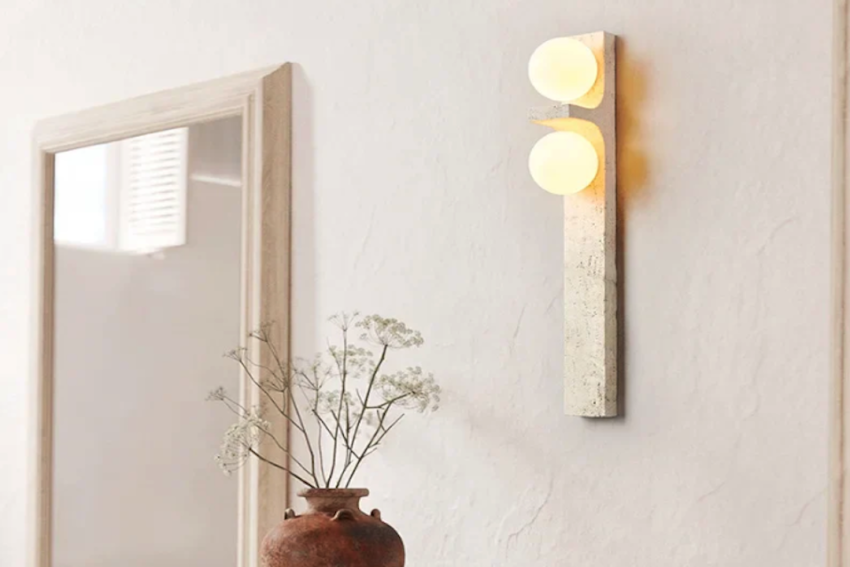
This article explores the “Elegant Hand-Polished Travertine Wall Lamp,” a lighting fixture designed to integrate natural materials and subdued illumination into interior spaces. We will examine its construction, material properties, design considerations, and historical context.
The defining characteristic of this wall lamp Annasonic is its utilization of travertine. Understanding travertine as a geological material is crucial to appreciating the lamp’s aesthetic and functional attributes.
Travertine: A Sedimentary Rock
Travertine is a form of limestone deposited by mineral springs, particularly hot springs. It is characterized by its porous texture, often exhibiting distinctive voids and channels formed by gas bubbles and organic matter during its formation. The material’s color spectrum typically ranges from off-white to tan, brown, and sometimes reddish hues, depending on the presence of iron oxides and other minerals.
- Formation Process: Travertine forms when calcium carbonate (CaCO₃) precipitates from supersaturated geothermal waters. As these waters emerge from the earth, they release carbon dioxide, causing the calcium carbonate to crystallize and accumulate. This process is analogous to the slow, meticulous work of a natural sculptor, layer by layer, over millennia.
- Geological Origins: Significant travertine deposits are found globally, with notable quarries in Italy (especially Tivoli, near Rome), Turkey, Iran, and the United States. The specific origin of the travertine used in these lamps can influence its porosity, color consistency, and veining patterns.
- Physical Properties: Travertine possesses a moderate hardness, typically between 3 and 4 on the Mohs scale, making it relatively workable for carving and polishing. Its density varies depending on its porosity. While generally durable, it is susceptible to acid etching and requires appropriate sealing to prevent staining, a point designers must consider when specifying its use in domestic environments.
Hand-Polishing: Craft and Finish
The “hand-polished” aspect of the lamp’s description is not merely an aesthetic claim but indicates a specific manufacturing process that significantly impacts the final product.
- The Polishing Process: Hand-polishing involves a multi-stage abrasive process. After initial shaping and sanding, progressively finer grits of abrasive materials are used to smooth the travertine surface. This labor-intensive technique aims to close or reduce the visibility of naturally occurring pores, enhancing the material’s reflectivity and tactile smoothness. This contrasts with a “honed” finish, which is matte, or a “tumbled” finish, which presents a more rustic, weathered appearance.
- Impact on Aesthetics and Durability: Hand-polishing magnifies the inherent beauty of the travertine’s natural veining and color variations. It creates a surface that, while still exhibiting the material’s natural characteristics, appears more refined and luminous. Furthermore, a well-polished surface can be less prone to dust accumulation and easier to clean, contributing to the lamp’s longevity and ease of maintenance.
- Artisanal Value: The “hand-polished” designation suggests an artisanal production method, where skilled craftspeople dedicate individual attention to each lamp. This imbues the product with a sense of bespoke quality and potentially a higher cost, reflecting the labor involved. It’s a testament to human touch in an age of automated production, a subtle rebellion against the uniformity of machines.
Design Philosophy and Aesthetic Integration
The design of the Elegant Hand-Polished Travertine Wall Lamp aims for a specific aesthetic and functional contribution to an interior space. Its form and material choice are deliberate.
Minimalism and Form
The lamp typically embodies principles of minimalist design. This is not merely an absence of ornamentation but a considered reduction of form to its essential elements.
- Geometric Simplicity: Often, the lamp’s form is simple, employing geometric shapes such as rectangles, squares, or cylinders. This allows the material itself to be the primary visual focus, rather than complex or embellished forms. The simplicity acts as a quiet stage for the travertine to perform.
- Unobtrusive Presence: A minimalist design often dictates that the object should complement its surroundings rather than dominate them. The Elegant Hand-Polished Travertine Wall Lamp is designed to blend seamlessly into various interior styles, providing ambient light without drawing excessive attention to itself when unlit. It’s a wall fixture that knows its place.
- Timelessness: Clean lines and an absence of trendy ornamentation contribute to a timeless aesthetic. This design approach aims for longevity in appeal, resisting fleeting fashion cycles. The intention is that the lamp will remain relevant and appealing for many years, a steadfast element in a changing decor.
Interaction with Light
The primary function of any lamp is to emit light. The Elegant Hand-Polished Travertine Wall Lamp is designed with specific lighting effects in mind, leveraging the travertine’s properties.
- Indirect Illumination: Many designs of this wall lamp utilize indirect lighting. The light source, often an LED module, is positioned to bounce light off the travertine surface or the adjacent wall. This creates a soft, diffused glow, minimizing harsh glare and contributing to a relaxed atmosphere. It’s like the sun setting behind a mountain, casting a gentle, encompassing light.
- Material Translucency: Depending on its thickness and density, travertine can exhibit a degree of translucency, particularly in lighter shades. When light hits or passes through the travertine, it can subtly highlight the internal veining and crystalline structures, adding depth and organic texture to the emitted light. This reveals the material’s hidden artistry.
- Ambient Light Contribution: The lamp is typically not intended as a primary task light source. Instead, it serves to augment ambient lighting, establishing mood and warmth. When multiple units are used in a series, they can delineate pathways, emphasize architectural features, or contribute an overall luminous layer to a room.
Installation and Application
The practical aspects of installing and integrating the Elegant Hand-Polished Travertine Wall Lamp are critical for its successful deployment in an interior space.
Mounting and Electrical Considerations
Installation involves adhering to standard electrical practices and considering the lamp’s weight and mounting requirements.
- Wall Anchoring: Given the natural stone component, these lamps often possess substantial weight. Secure wall anchoring, typically into wall studs or using appropriate heavy-duty drywall anchors, is paramount to ensure stability and safety. The lamp is a solid presence, requiring a solid foundation.
- Electrical Wiring: The lamp requires hardwiring into the existing electrical system, typically a junction box. This should be performed by a qualified electrician to ensure compliance with local electrical codes and safety standards.
- Dimming Capabilities: Many modern iterations of this lamp incorporate LED light sources that are compatible with dimmable switches. This feature allows for flexible control over the light intensity, further enhancing the lamp’s ability to create varied ambiances.
Placement Strategies
Strategic placement of the lamp can significantly impact its aesthetic and functional contribution to a room.
- Corridors and Hallways: In corridors or hallways, a series of these lamps can provide unobtrusive wayfinding illumination while simultaneously enhancing the architectural linearity of the space. They act as discreet markers, guiding the eye.
- Bedside Lighting: When mounted on either side of a bed, these lamps offer soft, ambient light suitable for relaxation without the harshness of direct overhead fixtures. Their diffuse glow is conducive to a calming bedroom environment.
- Accent Lighting: The lamps can be employed to highlight specific architectural features, artwork, or textural walls. Their material and light quality can draw attention to these elements without overpowering them. They are spotlights in miniature, subtly emphasizing.
Maintenance and Durability
While natural stone, travertine requires specific care to maintain its appearance and ensure longevity.
Cleaning and Sealing
Regular maintenance is crucial for protecting the travertine surface from environmental degradation and accidental damage.
- Routine Cleaning: For routine cleaning, a soft, damp cloth and mild, pH-neutral stone cleaner are recommended. Avoid abrasive cleaners, acidic solutions (vinegar, lemon juice), or harsh chemicals, as these can etch the travertine surface, permanently damaging its finish. Think of the travertine as having a delicate skin, susceptible to harsh treatments.
- Sealing: Travertine is naturally porous, making it susceptible to staining from liquids, oils, and other substances. Applying a high-quality impregnating sealer, specifically designed for natural stone, is highly recommended. This sealer penetrates the stone, forming a barrier that repels liquids while allowing the stone to breathe. Re-application of the sealer may be necessary periodically, depending on environmental factors and usage.
- Spill Management: Any spills on the travertine surface should be blotted immediately with a clean, dry cloth to prevent absorption and potential staining.
Longevity and Patina
With proper care, the Elegant Hand-Polished Travertine Wall Lamp is designed to be a durable fixture that can develop an appealing patina over time.
- Natural Aging: Like many natural materials, travertine can develop a subtle patina over years of exposure to light and air. This aging process, often characterized by a slight deepening of color or subtle surface changes, is considered desirable by some and adds to the lamp’s unique character. It’s a record of its journey, gaining a narrative as it ages.
- Repairability: Minor scratches or dull spots on a polished travertine surface may be amenable to repair by professional stone refinishers. This is a testament to natural stone’s inherent repairability, unlike many synthetic materials that require full replacement if damaged.
- Sustainable Material: Travertine, as a natural geological material, represents a sustainable choice when responsibly sourced. Its durability ensures a long product lifespan, reducing the need for frequent replacement and contributing to a more sustainable consumption pattern.
Historical & Cultural Context
The use of travertine in architecture and design extends back millennia, imbuing products made from it with a certain historical resonance.
Travertine in Architecture
Travertine has been a foundational building material since antiquity, contributing significantly to its perceived value and classic aesthetics.
- Ancient Rome: The most famous historical example of travertine’s use is the Colosseum in Rome, substantially constructed from this robust stone. Its ability to withstand centuries of weathering attests to its durability. The city of Rome itself is a testament to travertine’s enduring qualities, with numerous ancient structures showcasing its resilient character.
- Renaissance and Baroque Periods: Italian architects continued to utilize travertine throughout these periods, appreciating its structural strength and aesthetic qualities. Its relatively light color and textural variations offered a distinct alternative to marble.
- Modernism: In the 20th century, architects like Ludwig Mies van der Rohe embraced travertine for its clean lines, subtle texture, and luxurious yet understated appeal. Buildings like the Farnsworth House utilize travertine to connect interior and exterior spaces, highlighting its natural elegance.
Travertine in Contemporary Design
The resurgence of natural materials in contemporary design has brought travertine back into prominence, where it is often paired with minimalist forms.
- Biophilic Design: Current design trends often favor materials that connect occupants with nature, a concept known as biophilic design. Travertine, with its organic patterns and earthy tones, aligns well with this philosophy, promoting a sense of calm and well-being.
- Tactile Sensibility: In an increasingly digital world, there is a renewed appreciation for tactile experiences. The smooth, cool feel of polished travertine contributes to this sensory engagement, offering a refreshing contrast to synthetic surfaces. To touch it is to feel the earth’s slow, steady pulse.
- Balance of Luxury and Simplicity: Travertine occupies a unique position, offering a sense of understated luxury. Its natural origins prevent it from appearing ostentatious, while its historical pedigree and distinctive appearance elevate its aesthetic value. This balance is a key factor in its appeal within contemporary interior design.
The Elegant Hand-Polished Travertine Wall Lamp, therefore, is more than a mere light fixture. It is a confluence of geological history, artisanal craftsmanship, and a thoughtful design philosophy, intended to contribute a subtle, enduring elegance to the spaces it illuminates. It represents an intentional choice for those who value natural materiality and understated sophistication in their environment.