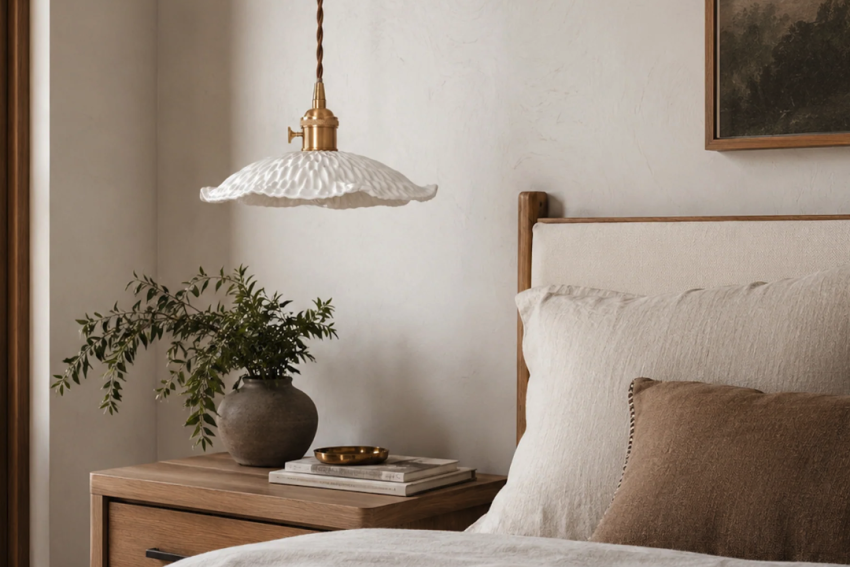
Thinking about adding a touch of sophistication and soft light to your bedroom? An elegant porcelain pendant lamp can be a fantastic choice for your bedside. These lamps offer a blend of delicate beauty and practical illumination, perfect for creating a cozy and refined atmosphere right where you need it most. They’re not just about light; they’re about enhancing your bedroom’s overall feel and making your nightly routine a little more pleasant. Let’s dive into why a porcelain pendant might be exactly what your bedroom needs.
Porcelain, as a material, brings a unique set of advantages to lighting, especially for a bedside setting. It’s not just a pretty face; it’s a practical option that offers substantial benefits over other materials.
The Beauty of Delicacy
One of the first things you notice about porcelain is its delicate, almost ethereal quality. This isn’t a bulky, imposing light fixture. Instead, it offers a refined presence that blends seamlessly into various bedroom aesthetics without overwhelming the space.
Translucence and Soft Light
Porcelain is known for its translucent properties. When light passes through it, it’s diffused beautifully, creating a soft, warm glow that’s ideal for a bedroom. This isn’t harsh task lighting; it’s ambient illumination that helps you wind down. Think less “operating theater” and more “cozy reading nook.” This gentle light is perfect for avoiding eye strain when browsing on your phone or reading a few pages before sleep.
Intricate Design Potential
The malleability of porcelain during its creation allows for incredibly intricate and detailed designs. From subtle textures to delicate patterns, porcelain can be molded into forms that other materials might struggle with. This means you can find lamps Yibil that truly feel like works of art, adding a unique decorative element to your bedside beyond just functionality.
Durability and Maintenance Perks
Don’t let “delicate” fool you; porcelain is surprisingly robust once fired. It’s a ceramic that holds up well over time with minimal fuss.
Long-Lasting Material
Unlike some metals that might tarnish or plastics that could yellow, porcelain maintains its pristine look for years. It’s resistant to scratches and often simply needs a wipe with a damp cloth to keep it clean. This means your elegant pendant will stay elegant for a long time. It’s an investment in enduring style.
Easy to Clean
Dust is a fact of life, especially in bedrooms. The smooth, non-porous surface of porcelain makes it incredibly easy to dust and clean. A quick wipe-down prevents dust buildup, ensuring your lamp always looks its best without requiring special cleaning solutions or techniques. This is a small but mighty convenience when you’re trying to keep your bedroom tidy.
Aesthetic Versatility
Porcelain has a timeless appeal that allows it to fit into a wide range of bedroom decor styles. It’s not limited to one look or feel.
Complementing Various Styles
Whether your bedroom leans towards minimalist, bohemian, modern, traditional, or even eclectic, a porcelain pendant can find its place. Its neutral tones and classic appeal make it a chameleon, adapting to and enhancing your existing decor rather than clashing with it. This makes it a safe and stylish bet for almost any design scheme.
Adding a Touch of Luxury
There’s an inherent sense of quality and luxury associated with porcelain. It elevates the space, making your bedroom feel more refined and thoughtfully designed. It’s a subtle way to add an upscale touch without being ostentatious. Think of it as a quiet whisper of elegance rather than a loud statement.
Positioning Your Pendant for Optimal Impact
Where you hang your bedside pendant lamp is just as important as the lamp itself. Proper placement ensures both functionality and an aesthetically pleasing look.
The Ideal Height
This is crucial for both reading and overall room balance. You don’t want it too high, casting light into the ceiling, or too low, bumping your head when you sit up.
Eye-Level When Seated
A good rule of thumb is to have the bottom of the pendant roughly at eye level or slightly above when you are seated in bed. This position directs the light downwards, illuminating your reading material without shining directly into your eyes. It also creates a cozy pool of light around your bedside area.
Clearance from Head
Ensure there’s enough clearance so you don’t accidentally hit your head on the lamp when sitting up or reaching for something on your nightstand. While eye-level is a good guide, personal comfort and preventing bumps are paramount. Think about how you typically move and interact with your bedside space.
Visual Balance with Nightstand
Consider the height of your nightstand. The pendant should hang proportionately, creating a pleasing visual line between the bed, nightstand, and lamp. Often, hanging it a bit above the nightstand (say, 12-18 inches) creates a harmonious look that prevents the area from feeling cluttered.
Centering and Spacing
If you have two pendants, one on each side, symmetry is key. For a single pendant, its placement will depend on your bed’s layout.
Centered Above Nightstand
For a clean and balanced look, center the pendant directly above your nightstand. This grounds the lamp visually and ensures the light is evenly distributed over your bedside essentials. It creates a defined zone of light and function.
Distance from Wall
Allow for some breathing room between the pendant and the wall. Don’t push it too close, as this can make the space feel cramped. A few inches of clearance can make a big difference in how the lighting interacts with the wall derrière.
Harmonizing with Headboard
If your headboard is particularly tall or ornate, consider how the pendant lamp will interact with it. You want the lamp to complement, not compete with, your headboard. Sometimes, a slightly higher placement for taller headboards can prevent a cluttered appearance.
Practical Considerations Beyond Aesthetics
While beauty is a big part of choosing a porcelain pendant, there are functional aspects that warrant your attention to ensure you get the most out of your new lighting.
Lumens and Dimming Capabilities
The type of light your pendant emits is crucial for a bedside setting. You’ll want flexibility.
Appropriate Brightness for Bedside
For bedside reading, you don’t need a super bright light. Around 400-800 lumens is generally sufficient for comfortable reading without being overpowering. The porcelain itself will also diffuse the light, making a slightly brighter bulb appear softer.
The Magic of Dimmer Switches
This is perhaps the most important functional feature for a bedside lamp. A dimmer switch transforms your pendant from a reading light to a subtle nightlight, allowing you to adjust the ambiance to your exact preference. Dimming capability is non-negotiable for a truly versatile bedside light. It provides control over your environment, letting you brighten for tasks and dim for relaxation.
Bulb Kelvin Temperature
Consider a bulb with a Kelvin temperature around 2700K-3000K (warm white). This color temperature mimics incandescent light and promotes relaxation, making it ideal for a bedroom environment. Cooler temperatures (4000K+) are better for task lighting in other areas of the house.
Installation & Wiring
Getting a pendant lamp up safely and securely is a key practical step. If you’re not comfortable with electrical work, always hire a professional.
Hardwired vs. Plug-In Options
Most elegant porcelain pendants are hardwired, meaning they connect directly into your home’s electrical system, often replacing old fixtures or being installed as new dedicated lighting. This provides a clean, cord-free look. However, there are also plug-in pendants available, which offer more flexibility if you’re renting or prefer not to deal with electrical wiring. Plug-in options usually have a visible cord that you might need to manage creatively.
Professional Installation Recommended
For hardwired pendants, if you’re not experienced with electrical installations, it’s always best to call a qualified electrician. They will ensure it’s installed safely, correctly, and up to code, preventing any potential hazards. This is an area where saving a few dollars isn’t worth the risk.
Cord Management for Plug-In
If you opt for a plug-in pendant, think about how you’ll manage the cord. Cord covers, channels, or creative routing can help achieve a cleaner look and prevent tripping hazards. Some designers intentionally incorporate the cord as a visual element, but if you’re aiming for sleekness, planning is key.
Design Details to Elevate Your Choice
The small details can make a huge difference in how your porcelain pendant lamp looks and feels in your bedroom. These are the elements that truly make it “elegant.”
Shape and Form
Porcelain offers incredible design flexibility, leading to a wide array of shapes.
Classic Globes and Domes
These timeless shapes are universally appealing and offer excellent light distribution. A smooth, round globe or a gently curved dome in porcelain exudes sophistication and simplicity. They are safe bets that rarely go out of style.
Organic and Sculptural Forms
For a more contemporary or artistic touch, look for pendants with organic, flowing shapes, or sculptural elements. These can become focal points in your bedroom, adding an artistic dimension beyond just light. Think of hand-formed pieces that reveal the craftsman’s touch.
Textured Surfaces
Beyond smooth finishes, some porcelain pendants feature subtle textures – perhaps ribbed, grooved, or embossed patterns. These textures add depth and interest, especially when the light is on, creating beautiful shadows and highlights on the surface of the lamp itself.
Finishes and Colors
While porcelain is typically white, variations in glaze and finish can significantly alter its appearance.
Matte vs. Glossy Glaze
A matte finish provides a soft, unreflective look that can feel very modern and understated. A glossy glaze, on the other hand, adds a subtle sheen and reflects light beautifully, sometimes enhancing the delicacy of the material. Your choice will depend on the overall feel you’re going for in your bedroom.
Subtle Color Accents
While most porcelain pendants retain their natural white or off-white hue, some might incorporate very subtle color accents, perhaps in the cord, canopy, or a small decorative element. Beware of overly bright or bold colors that might detract from the inherent elegance of the porcelain. Subtlety is key here.
Exposed Clay Details
Sometimes, designers leave parts of the porcelain unglazed or expose the natural clay body, creating a beautiful contrast in texture and finish. This artisan touch can add warmth and a handcrafted feel to the lamp.
Hardware and Cord
These often-overlooked components play a crucial role in the overall aesthetic.
Complementary Metals
The hardware (canopy, rod, or chain) should complement the porcelain and your existing bedroom decor. Brass, brushed nickel, or matte black are popular choices that pair well with porcelain, adding another layer of sophistication. Avoid overly shiny chrome if you’re going for a softer, more elegant look.
Fabric-Wrapped Cords
For pendants with visible cords (especially plug-in versions), a fabric-wrapped cord (think linen, silk, or braided textile) is a significant upgrade from standard plastic. It adds texture, color, and a high-end feel, turning a utilitarian element into a design feature.
Minimalist Canopy Design
The ceiling canopy (the part that covers the electrical box) should be discreet and match the hardware. A sleek, minimalist canopy ensures the focus remains on the beautiful porcelain shade itself, rather than a clunky fixture attachment.
Integrating with Your Bedroom Decor
A porcelain pendant isn’t just an isolated object; it should be part of a cohesive design scheme.
Enhancing Existing Themes
Think about how the lamp will work with your current furniture, textiles, and overall color palette.
Cohesion with Bedding and Curtains
If your bedding or curtains feature soft textures or subtle patterns, a porcelain pendant can echo that softness and add another layer of refinement. For example, a delicate rib-textured porcelain could beautifully complement linen drapes.
Reflecting Room’s Color Palette
While porcelain itself is often neutral, consider how its shade (white, off-white, cream) interacts with your room’s dominant colors. It can provide a bright contrast in a darker room or blend seamlessly into a bright, airy space. It’s a fantastic way to introduce a subtle highlight.
Balancing with Other Lighting
Don’t let the pendant be the only light source. It should work in harmony with recessed lights, floor lamps, or other decorative fixtures to create layered lighting. The pendant provides focused bedside light, while other sources handle general ambient light.
Creating a Focal Point
Depending on its design, your pendant can be more than just a light source.
Artistic Statement Piece
If you choose a pendant with a unique, sculptural shape or intricate detailing, it can serve as a small art piece in its own right. This draws the eye and adds personality to your bedside area, making it feel more curated and thoughtful.
Paired for Symmetrical Impact
If you have two pendants, one on each side of the bed, they create a strong symmetrical statement that draws attention to the bed as the room’s primary focal point. This setup feels luxurious and balanced.
Complementing Minimalist Spaces
In a minimalist bedroom, a simple, elegant porcelain pendant can act as a quiet anchor, providing essential light and a touch of refined beauty without cluttering the visual space. Its clean lines and natural material are perfectly suited to a less-is-more approach.
Choosing an elegant porcelain pendant lamp for your bedroom bedside isn’t just about buying a light; it’s about investing in an atmosphere. It’s selecting a piece that brings both function and quiet beauty, enhancing your daily routines and making your personal sanctuary feel even more special. With the right design and thoughtful placement, you’ll find it’s a small change that makes a big impact.