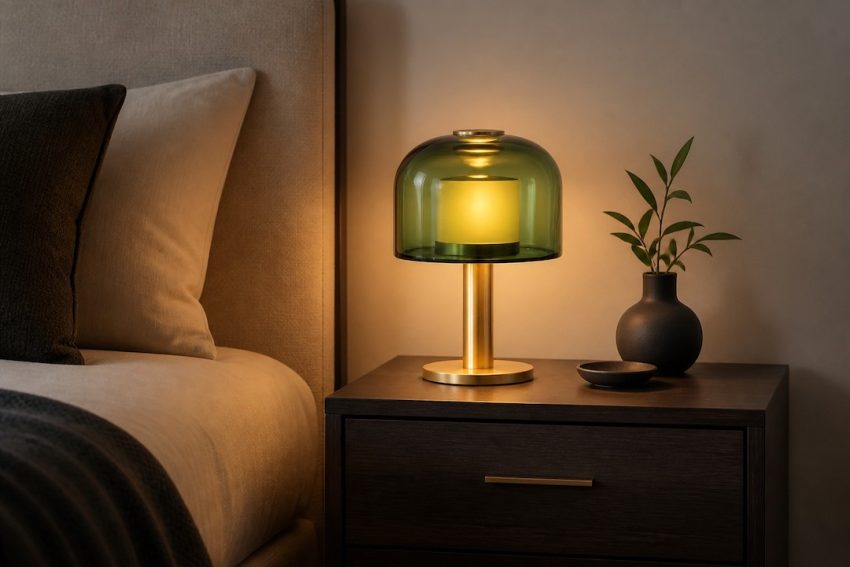
Let’s talk about those bedside lamps. Specifically, how can a colored glass nightstand lamp actually be efficient and maximize space? It might sound a bit counterintuitive at first, but when you think about it, it’s all about smart design and how the lamp interacts with its surroundings.
The core idea is that a well-chosen colored glass lamp isn’t just about pretty light; it’s about creating a specific ambiance, a functional light source that doesn’t demand a huge footprint, and even a decorative piece that pulls double duty. We’re not just talking about screwing in a bulb here; we’re looking at the whole package.
Think of your nightstand lamp not just as something to flip on when you need to find your book, but as an integral part of your bedroom’s aesthetic. A colored glass lamp Catnup can do this exceptionally well.
Setting the Mood with Color
The color of the glass isn’t just for show; it influences the light quality.
Warm Tones for Relaxation
Soft yellows, oranges, or amber glass can create a warm, inviting glow. This is fantastic for winding down before bed, as it mimics the fading sunlight and can help signal to your brain that it’s time to relax. This gentle light is less harsh than a pure white bulb, making it more comfortable for evening reading.
Cool Tones for Focus (Selectively)
While generally not the primary choice for a relaxing bedside lamp, certain muted blues or greens can, in smaller doses, offer a different kind of ambiance. If your nightstand serves a dual purpose, perhaps as a small workspace, a cooler, but still diffused, light might be considered. However, for pure sleep preparation, warm is usually the way to go.
Aesthetically Pleasing, Even When Off
Unlike a utilitarian plastic or metal lamp, a colored glass lamp often has inherent decorative appeal. The material itself can be intricate, with different textures, patterns, and glassblowing techniques contributing to its unique charm. This means it adds visual interest to your nightstand even when the light is off, reducing the need for other decorative items that might clutter the space.
Space-Saving Design Principles
When we talk about maximizing space, we’re not necessarily talking about a lamp that shrinks. It’s about how its form and function integrate seamlessly without taking over your limited nightstand real estate.
Compact Footprints
Many colored glass lamps are designed with smaller bases. This is crucial for nightstands, which are often quite narrow. A lamp with a sleek, minimal base ensures that you still have room for your essentials – a phone, a water glass, a book, perhaps a small plant.
Vertical vs. Horizontal Spread
Look for lamps that emphasize verticality rather than a wide, sprawling base. This allows the lamp to occupy a smaller surface area while still providing ample light. Think of a tall, slender design that extends upwards.
Integrated Storage (Rare but Possible)
While less common with traditional colored glass lamps, some modern designs might incorporate subtle features. This could be a small ledge or groove designed to hold a pen or a pair of glasses. It’s not a full-blown storage solution, but it’s a thoughtful touch that addresses the “more with less” principle.
Multi-Functional Bases
Some lamp bases, while not made of colored glass themselves, are designed to complement the colored glass shade and offer added utility.
Built-in Charging Ports
This is a game-changer for space maximization. A lamp with an integrated USB port or wireless charging pad means you can ditch that extra power adapter and keep your phone charging neatly on the nightstand without a tangle of cords. This keeps your nightstand cleaner and more organized.
Small Tray or Shelf Integration
Similar to the integrated storage, some lamp bases might have a slightly larger, flatter area that can serve as a makeshift tray for small items. It’s a subtle expansion of the usable surface area.
The Smart Use of Light
Colored glass isn’t just about color; it’s about how the light is diffused and directed, which can influence the perceived spaciousness of your room.
Diffused Illumination
The nature of glass, especially when textured or frosted, naturally diffuses light. This creates a softer, more even glow, avoiding harsh shadows that can make a small space feel cramped.
Avoiding Glare
A well-designed colored glass lamp will diffuse light in a way that minimizes glare. This is important for eye comfort, especially when you’re trying to read or wind down. Glare can be visually disruptive and make a space feel more chaotic.
Creating Ambiance Without Overpowering
The colored glass acts as a filter, softening the intensity of the bulb. This means you can have a functional light source that also contributes to a cozy atmosphere without feeling like you’re under a spotlight. The color itself can also psychologically influence the mood and perceived size of the room.
Strategic Placement and Light Direction
Even the most efficient lamp needs to be placed thoughtfully.
Directing Light Where You Need It
Consider how the lamp’s shade directs light. For reading, you’ll want a shade that directs light downwards onto your book. For general ambient light, a shade that diffuses light outwards is more suitable. The colored glass can contribute to this by influencing the hue of the directed light.
Minimizing Light Spill
While you want illumination, you don’t want light spilling everywhere, especially if you share a room. A well-designed shade will help control light spill, focusing it where it’s most useful and preventing it from becoming a distraction to others.
Material Considerations for Longevity and Aesthetics
The choice of colored glass itself plays a role in both the lamp’s practical efficiency and its long-term appeal, which indirectly contributes to space maximization by reducing the need for replacements.
Quality of Glass
Not all colored glass is created equal.
Durability
Higher quality glass is less prone to chipping, cracking, or fading over time. This means your lamp will look good and function well for longer, avoiding the need to replace it due to damage or wear. This is especially important for an item that’s frequently used.
Colorfastness
The vibrant color you chose should remain consistent. Cheaper colored glass can fade with exposure to light, diminishing its aesthetic appeal and its mood-setting capabilities. Investing in quality ensures the color remains a beautiful feature.
Types of Colored Glass
There are various techniques for coloring glass, each with its own characteristics.
Blown Glass
This is often associated with artisanal quality. Blown glass can have unique textures and variations, adding to its decorative value. The process of blowing glass can also create intricate shapes that are inherently space-efficient.
Stained Glass (Mosaic Style)
While more common in windows, stained glass techniques can be applied to lamp shades. This creates a mosaic effect where different colored pieces are joined together. It offers a visually rich and detailed appearance.
Fused Glass
Fused glass involves layering and heating pieces of glass together. This can create beautiful, deep colors and interesting textures. The process allows for a lot of design flexibility.
Integration with Smart Home Technology (Optional but Enhancing)
While not directly related to the colored glass itself, the lamp’s compatibility with smart home systems can further enhance its efficiency and how it interacts with your living space.
Dimming Capabilities
Many modern lamps, including those with colored glass shades, can be paired with smart bulbs or have integrated dimming features.
Fine-Tuning Light Levels
Being able to precisely control the brightness of your lamp is crucial for setting the right mood and for specific tasks. You can dim it down for a very subtle glow or brighten it for reading, all without moving.
Automated Schedules
Smart technology allows you to set schedules for your lamp to turn on and off. This can be great for waking up gently or for providing a sense of occupancy when you’re away. It means the lamp is working for you, even when you’re not actively using it.
Voice Control
The convenience of turning your lamp on or off, or adjusting its brightness, with a simple voice command is a significant practical benefit.
Hands-Free Operation
Especially useful when your hands are full or when you’re already comfortable in bed, voice control eliminates the need to reach for switches or buttons, adding to the seamless experience.
Scene Setting
Smart home systems allow you to create custom “scenes” that control multiple devices at once. You could have a “Bedtime” scene that dims your colored glass lamp to a warm amber, turns off other lights, and plays calming music – all with one command. This orchestrates your environment for maximum comfort and efficiency.
The Bottom Line: Smart Choices for Your Nightstand
So, how does a colored glass nightstand lamp maximize space and become efficient? It’s a combination of thoughtful design that prioritizes a compact footprint, multi-functional features like integrated charging, and the inherent properties of colored glass that enhance ambiance and diffuse light beautifully. By choosing a lamp that serves multiple purposes – as a light source, a decorative element, and a hub for technology – you’re making a smart choice for your bedroom. It’s about creating a functional, inviting, and uncluttered space that enhances your well-being. The colored glass isn’t just a pretty face; it’s a key component in a well-designed, space-conscious lighting solution.