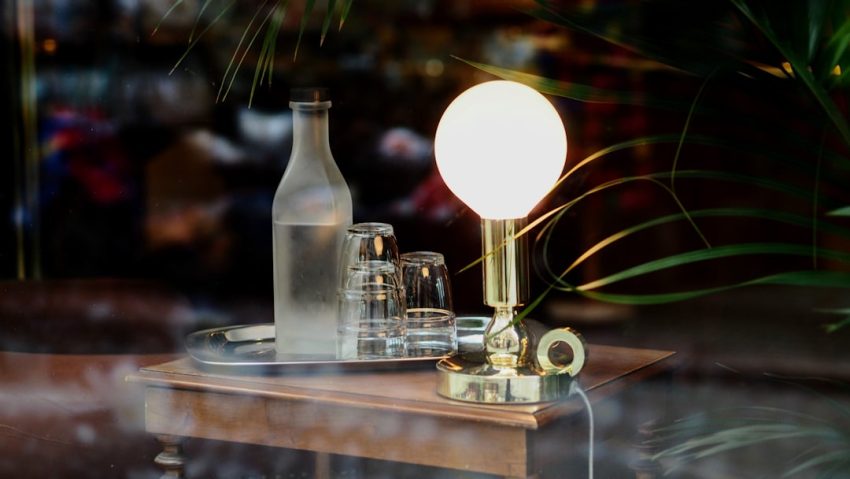
Minimalist living, a philosophy and lifestyle choice, prioritizes functionality and decluttering to create spaces that facilitate peace and order. In this context, lighting is not merely an illuminator but an integral design element. Focal point lighting, specifically, becomes a tool for defining space, influencing mood, and enhancing the perceived openness of a minimalist environment. Its judicious application aligns with the core tenets of minimalism: every object serves a purpose, and that purpose is executed with aesthetic consideration.
Understanding Minimalist Principles in Lighting
Minimalism’s influence on lighting Top5lamp design dictates that fixtures should be chosen for their utility and unadorned form. Extraneous ornamentation is discarded in favor of clean lines, essential shapes, and materials that speak for themselves. The focus shifts from the light fixture as a decorative item to the light it produces and the atmosphere it cultivates.
The Role of Light in Spatial Perception
Light is a sculptor of space. In a minimalist setting, where fewer objects define boundaries, light orchestrates visual flow and directs attention. Strategic placement of focal point lighting can expand a room, draw the eye to a curated collection, or create intimate zones within an open-plan layout. Consider light as an invisible architect, shaping walls and ceilings with its embrace.
Focal point lighting, often referred to as accent lighting, is a targeted illumination technique designed to highlight specific features or areas within a space. Unlike general ambient lighting, which provides uniform illumination, or task lighting, which focuses on functional areas, accent lighting aims to create visual interest and emphasize particular elements. In a minimalist context, where visual clutter is actively avoided, the judicious application of focal point lighting becomes crucial for adding depth and personality without introducing superfluous objects.
Purpose and Impact
The primary purpose of focal point lighting in minimalist design is to transform an ordinary element into a point of interest. This could be a piece of art, a plant, a textured wall, or even the subtle grain of a wooden floor. By drawing the eye to these chosen elements, focal point lighting acts as a visual anchor, preventing a minimalist space from feeling stark or uninviting. It also creates layers of light, adding dimension and warmth to an otherwise restrained aesthetic.
Distinguishing from Other Lighting Types
It is important to differentiate focal point lighting from its counterparts. Ambient lighting, often achieved through recessed lights, ceiling fixtures, or natural light, provides overall illumination. Task lighting, such as desk lamps or under-cabinet lights, provides concentrated light for specific activities. Focal point lighting, however, is about directing attention. It’s the spotlight in a larger production, giving emphasis to a particular performer on the stage of your living environment.
Strategic Application of Focal Point Lighting
The effective implementation of focal point lighting in a minimalist home requires careful planning and consideration of the desired effect. It’s not about adding more lights, but about using fewer lights more intelligently. Each light source should contribute to the overall aesthetic and functional goals of the space.
Highlighting Art and Sculptures
In a minimalist interior, art often takes center stage. A single, well-chosen piece can define a room. Focal point lighting can transform this piece into an immediate visual magnet. Track lighting with adjustable heads, recessed spotlights, or picture lights are common choices.
Track Lighting Flexibility
Track lighting offers versatility. Its individual heads can be repositioned and re-angled to illuminate different artworks as your collection evolves. This adaptability aligns with the minimalist principle of multi-functionality.
Recessed Spotlighting Precision
Recessed spotlights provide a clean, unobtrusive look. When installed in the ceiling, they cast a defined beam of light onto the artwork, creating a dramatic effect without drawing attention to the fixture itself.
Picture Lights for Direct Illumination
Picture lights, mounted directly above the artwork, offer a classic and elegant solution. Their low profile and directed light enhance the colors and textures of the piece.
Emphasizing Architectural Features
Minimalist architecture often features clean lines, expansive surfaces, and unique structural elements. Focal point lighting can draw attention to these inherent design strengths, transforming them into aesthetic assets.
Wall Washing and Grazing
Wall washing involves illuminating a large surface evenly, while wall grazing uses light to emphasize texture by positioning the light source close to the surface. Both techniques can highlight exposed brick, concrete, or textured plaster, adding depth and visual interest.
Stairwell Illumination
Stairwells provide an opportunity for both safety and aesthetics. Integrated LED strips beneath treads or small wall-mounted fixtures can create a dramatic, floating effect while ensuring secure passage.
Niche and Shelf Accentuation
Built-in niches or open shelving units, common in minimalist designs for displaying a few curated items, benefit from subtle accent lighting. Strip lighting or small puck lights can draw attention to these displays without overwhelming them.
Creating Mood and Atmosphere
Beyond highlighting specific objects, focal point lighting can profoundly influence the emotional tenor of a space. It can warm a potentially stark room or delineate zones within an open concept.
Layering Light for Depth
Combining focal point lighting with ambient and task lighting creates layers of illumination. This layering adds depth and visual interest, preventing a room from feeling flatly lit. Consider how an artist uses varying tones to create a three-dimensional image; light functions similarly in interior design.
Defining Zones in Open Plans
In open-plan living areas, focal point lighting can act as an invisible divider. A pendant light positioned over a dining table, or a series of spotlights highlighting a reading nook, subtly defines these functional zones without the need for physical barriers.
Warm vs. Cool Tones
The color temperature of the light source plays a significant role in atmosphere. Warm white light (2700K-3000K) promotes relaxation and comfort, making it suitable for living areas and bedrooms. Cool white light (4000K-5000K) enhances alertness and is often preferred for workspaces or kitchens. Choose the appropriate temperature to align with the intended mood of each area.
Fixture Selection for Minimalist Focal Point Lighting
The choice of lighting fixtures in a minimalist setting is as crucial as their placement. Fixtures should be understated, functional, and blend seamlessly into the environment, allowing the light itself to be the primary focus.
Recessed Lighting: The Unseen Illuminator
Recessed lighting is a cornerstone of minimalist design. These fixtures are integrated into the ceiling, offering a clean, unobstructed aesthetic. They are ideal for providing general ambient light but can also be used effectively as focal point lighting when equipped with adjustable gimbals or narrow beam angles.
Adjustable Gimbals for Precision
Recessed fixtures with adjustable gimbals allow you to direct the light beam precisely, making them excellent for highlighting artwork or architectural details. This flexibility removes the need for additional, more visually prominent fixtures.
Trimless Options for Seamless Integration
For the purest minimalist look, consider trimless recessed fixtures. These are plastered directly into the ceiling, creating an almost invisible light source where only the aperture from which the light emanates is visible.
Track Lighting: Versatility and Adaptability
Track lighting systems consist of a linear track to which multiple light heads can be attached. Its inherent flexibility makes it suitable for spaces where artworks or furniture arrangements may change over time, allowing for dynamic adjustment of light direction.
Sleek Profiles and Finishes
Modern track lighting has evolved beyond bulky, industrial designs. Contemporary options feature slender profiles and finishes like matte black, white, or brushed nickel, allowing them to blend unobtrusively into minimalist interiors.
Miniaturized Fixtures for Discreet Illumination
Smaller, more refined track heads are available, designed to provide powerful illumination without visually dominating the space. These low-profile options are especially effective in maintaining a minimalist aesthetic.
Pendant Lighting: Functional Artistry
While generally used for task or ambient lighting, small, well-designed pendant lights can serve as focal points themselves, or highlight an object directly beneath them. Their form should be simple and their material honest.
Singular, Unadorned Forms
In minimalist design, a pendant light should be chosen for its elegant silhouette and lack of excessive ornamentation. A single sphere, a simple cylinder, or a delicately sloped cone can create a powerful statement.
Placement Over Key Elements
A pendant light suspended above a compact dining table, a kitchen island, or even an entry console can draw the eye and define that particular area while providing direct, focused illumination.
Wall Sconces: Subtle Enhancers
Wall sconces, when chosen for their clean design, can offer both indirect upward or downward illumination, as well as direct accent lighting. They add a layer of light at eye level, contributing to the ambiance.
Up-and-Down Lighters for Architectural Interest
Sconces that cast light both upwards and downwards create dramatic light patterns on walls, highlighting texture and adding a sculptural element without relying on decorative form.
Minimalist Form Factors
Opt for sconces with simple geometric shapes, like cubes, cylinders, or flat panels. Their function is to provide light; their form should be a quiet complement to the wall.
Technology and Control in Minimalist Lighting
Modern lighting technology offers sophisticated control options that are particularly well-suited to minimalist living. These tools allow for precise manipulation of light levels, color temperature, and scheduling, enhancing both functionality and atmosphere.
Dimming Capabilities
Dimmer switches are essential for creating varied moods and for conserving energy. In a minimalist environment, where each element serves multiple purposes, dimming allows a single light source to adapt to different scenarios, from bright task illumination to soft ambient glow.
Integration with Smart Home Systems
Modern dimmers can be integrated into smart home ecosystems, allowing for control via voice commands, smartphone apps, or pre-set scenes. This seamless control eliminates the need for multiple visible switches, further aligning with minimalist principles.
LED Technology
LEDs are the default choice for minimalist lighting due to their energy efficiency, longevity, and compact size. Their small footprint allows for discreet integration into architectural features and furniture.
High Color Rendering Index (CRI)
For highlighting art or objects, LEDs with a high CRI are crucial. A CRI of 90 or above ensures that colors are rendered accurately and vibrantly, faithfully representing the intended hues of the illuminated object.
Tunable White and RGBW Options
Advanced LED technology offers tunable white light, allowing adjustment of color temperature from warm to cool, and RGBW (Red, Green, Blue, White) for a full spectrum of color. While RGBW may seem less minimalist, judicious use of subtle color shifts can create specific moods or highlight elements in a refined manner.
Automated Lighting Scenes
Programming automated lighting scenes can transform a minimalist space with a single touch or voice command. A “relax” scene might dim the lights and shift to a warmer color temperature, while a “work” scene brightens the workspace with cooler light. This level of control streamlines the living experience.
Timed and Sensor-Based Automation
Further leveraging technology, lighting can be programmed to switch on/off or dim based on time of day, presence detection (motion sensors), or even natural light levels. This hands-free operation enhances convenience and energy efficiency, embodying the efficiency valued in minimalist design.
Maintenance and Longevity
In a minimalist household, the fewer elements that require attention, the better. This extends to lighting fixtures. Choosing durable, low-maintenance options with long lifespans helps maintain the uncluttered and easy-to-manage environment.
Durable Materials
Selecting fixtures made from resilient materials such as aluminum, stainless steel, or high-quality glass ensures that they withstand the test of time, reducing the need for replacement and minimizing waste.
Long-Lasting Light Sources
LEDs are inherently long-lasting, often offering tens of thousands of hours of operation. This significantly reduces the frequency of bulb changes, a minor but recurring task that can subtly detract from a streamlined living experience.
Easy Cleaning and Accessibility
Opting for fixtures with smooth surfaces and simple forms not only enhances the minimalist aesthetic but also simplifies cleaning. When possible, ensure that light sources are easily accessible for maintenance or replacement, though with LEDs, this will be infrequent.
Focal point lighting in minimalist living is more than just illumination; it is a design imperative. It functions as a quiet narrator, guiding the eye through a carefully curated space, emphasizing beauty in simplicity, and creating an atmosphere that resonates with tranquility and purpose. By understanding its principles and applying it thoughtfully, one can elevate a minimalist interior from merely spare to eloquently sophisticated. The interplay of light and shadow, intentionally crafted, becomes the art itself.