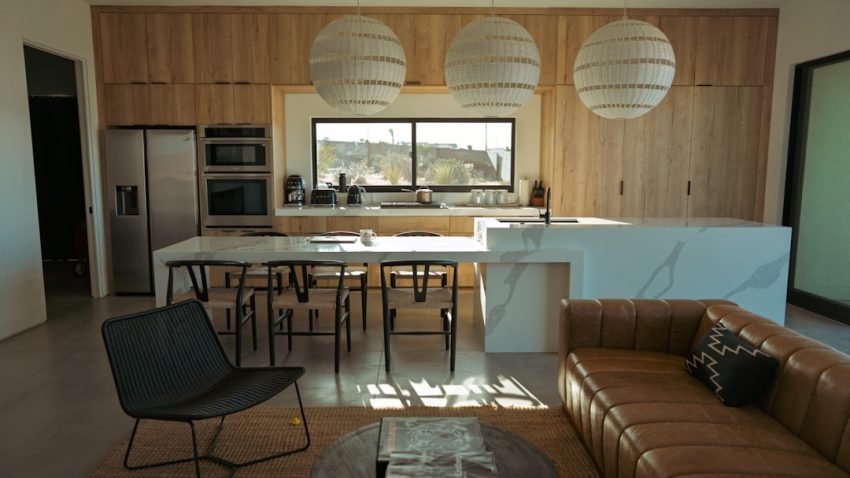
The establishment of a home bar, whether a dedicated room or a designated corner, presents an opportunity for personalized design. Among the many elements contributing to its atmosphere, lighting plays a pivotal role. This article explores various approaches to home bar lighting, focusing on the concept of “Sunset Glow,” a style that prioritizes warmth, inviting hues, and dynamic interplay of light sources to create a convivial environment.
The “Sunset Glow” aesthetic for home bar lighting endeavors to replicate the visual characteristics of a late afternoon or early evening sky. This involves a spectrum of warm colors, from soft yellows and oranges to deeper reds and purples, and a careful consideration of light Ezerliving intensity and shadow. The objective is to foster an atmosphere conducive to relaxation and social interaction, rather than utilitarian illumination.
Color Temperature and Hue
Central to the Sunset Glow concept is the deliberate selection of light sources with specific color temperatures. Unlike clinical, high-Kelvin lighting (e.g., 5000K-6500K) often found in offices, Sunset Glow prioritizes warm white light, typically in the 2200K-3000K range. This lower Kelvin value translates to a light that appears more yellow or orange, evoking the sun’s descent. Furthermore, the integration of colored light, particularly amber, red, and subtle purple, can enhance the naturalistic sunset effect. This isn’t about creating a rave environment; rather, it’s about a nuanced layering of hues. Imagine the subtle shifts observed in a real sunset – this is the inspiration.
Dimming Capabilities
Variable light intensity is crucial. A static, undimmable light source restricts the ability to adapt the bar’s ambiance to different occasions or times of day. Dimming allows for the transition from a brighter, more functional setting during preparation to a softer, more intimate glow once guests arrive or as the evening progresses. This flexibility is the cornerstone of dynamic lighting design and a key component of the Sunset Glow experience. Consider it the lever that controls the mood.
Layering of Light
Effective lighting design, particularly within the Sunset Glow framework, relies on layering. This involves combining ambient, accent, and task lighting to create depth and visual interest. Ambient light provides the overall illumination, accent lighting highlights specific features, and task lighting focuses on functional areas. Without layering, the lighting scheme risks appearing flat or one-dimensional. Think of it as painting with light, where different brushes and colors are used to build up the scene.
Ambient Lighting Strategies
Ambient lighting forms the foundation of any lighting scheme, providing general illumination. For a Sunset Glow home bar, ambient lighting should be warm and diffuse, acting as the primary source of the “glow.”
Cove Lighting
Cove lighting, where light sources are concealed within architectural details such as coves or ledges, offers a sophisticated and indirect form of ambient illumination. LED strips are particularly well-suited for this application due to their flexibility, low heat output, and dimmability. When positioned correctly, cove lighting casts a soft wash of light across the ceiling or walls, eliminating harsh shadows and contributing to a gentle, enveloping glow. This technique can mimic the diffuse light present in the sky before the sun fully sets.
Pendant and Chandelier Fixtures
Pendant lights and chandeliers, suspended from the ceiling, can serve as prominent ambient light sources. For a Sunset Glow aesthetic, selecting fixtures with warm-toned finishes (e.g., bronze, copper, stained wood) and diffusers that soften the light is important. Opting for bulbs with a warm color temperature reinforces the desired effect. The design of the fixture itself can also contribute to the overall theme; for instance, a pendant with a geometric shade could cast intriguing patterns on the surrounding surfaces, adding visual texture. Consider these fixtures as the dominant celestial bodies in your indoor sunset.
Wall Washers
Wall washers are light fixtures designed to illuminate a wall uniformly, creating a broad, even wash of light. When combined with color-changing LED technology, wall washers can be utilized to project various warm hues across the bar area, effectively transforming its perceived spaciousness and atmosphere. This technique is particularly effective in creating a seamless color transition, much like the changing sky. Careful placement is necessary to avoid hot spots or uneven illumination.
Accent Lighting Techniques
Accent lighting is employed to draw attention to specific features, objects, or areas within the home bar. In a Sunset Glow scheme, accent lighting can highlight glassware, bottles, artwork, or the bar counter itself, adding depth and visual interest.
Under-Shelf Lighting
LED strip lights installed beneath shelves provide direct illumination to bottles and glassware. This not only enhances their aesthetic appeal but also improves visibility for drinks preparation. The glow from these lights, particularly when directed onto reflective surfaces, can create a shimmering effect reminiscent of light bouncing off water during sunset. This is where your prized spirits can truly shine.
Backlighting for Bar Counters
Integrating backlighting into the bar counter itself can create a striking and modern effect. Translucent materials such as onyx or resin, when backlit by warm LED panels, produce a diffused glow that emanates from the counter surface. This technique can be extended to backlighting liquor cabinets or display niches, transforming them into luminous focal points. This becomes a subtle, grounded source of glow, like the last embers.
Spotlights for Artwork or Decor
Directional spotlights can be used to highlight specific decorative elements such as artwork, intricate carvings, or unique bar accessories. The narrow beam of a spotlight creates a focal point, drawing the eye and adding a layer of visual hierarchy to the space. When selecting spotlights, choose those that emit a warm, focused light to maintain consistency with the Sunset Glow theme. This is where you bring specific constellations into focus.
Task Lighting Considerations
While the emphasis of Sunset Glow is on ambiance, functional task lighting remains important for practical activities at the bar, such as mixing drinks or reading labels. The challenge is to integrate task lighting seamlessly so that it supports rather than detracts from the overall aesthetic.
Bar Rail Lighting
Small, focused LED lights integrated into the underside of the bar rail provide discreet illumination for the preparation area. These lights should be bright enough for practical tasks but ideally positioned to minimize spillover into the primary ambient zone. Dimmers are particularly useful here, allowing the intensity to be adjusted as needed. Consider this the light in the cockpit, essential but unobtrusive.
Integrated Cabinet Lighting
For storage cabinets housing ingredients or equipment, interior lighting can enhance functionality. Motion-activated LED strips that illuminate upon opening the cabinet door are a practical solution, ensuring visibility without requiring manual interaction. This keeps the magic hidden until the moment it’s needed.
Portable and Rechargeable Lamps
For situations where fixed task lighting is impractical or insufficient, small, portable, and rechargeable lamps can offer flexible illumination. These can be strategically placed on the bar counter or serving areas when needed and removed or relocated when not in use. Some models offer adjustable color temperatures, allowing them to blend with the Sunset Glow scheme. They are like fireflies, appearing when needed.
Control Systems and Automation
Modern lighting control systems significantly enhance the versatility and user experience of a Sunset Glow home bar. Automation allows for dynamic changes in lighting scenes, pre-programmed effects, and integration with other smart home devices.
Dimmer Switches
As previously discussed, dimmer switches are essential components for any Sunset Glow lighting scheme. They allow for precise adjustment of light intensity, enabling the gradual transition from bright to dim and vice versa. Rotary dimmers offer tactile control, while slide dimmers provide a visual indication of the current light level.
Smart Lighting Systems
Smart lighting systems, incorporating Wi-Fi or Bluetooth-enabled bulbs and fixtures, offer advanced control capabilities through smartphone apps or voice commands. These systems allow for:
- Color Temperature Adjustment: Fine-tuning the warmth of white light.
- RGB Color Control: Selecting specific hues (red, green, blue, and combinations) to create custom color palettes.
- Scene Programming: Creating and saving custom lighting scenes for different moods or occasions (e.g., “Mellow Evening,” “Social Gathering,” “Late Night Chill”).
- Scheduling: Automating lighting changes based on time of day or other triggers.
- Integration with Smart Home Hubs: Connecting lighting to a broader smart home ecosystem for centralized control.
These systems transform lighting from a static element into a dynamic, responsive component of the home bar, allowing the “sunset” to evolve and shift throughout an evening. This is the conductor leading your light orchestra.
Motion and Occupancy Sensors
While less common for primary bar lighting, motion and occupancy sensors can be integrated into certain task lighting applications, such as cabinet interiors, to provide automated illumination when activity is detected. This ensures that light is only utilized when necessary, contributing to energy efficiency.
Material and Finish Considerations
The materials and finishes used in the home bar space can significantly impact how light is reflected, absorbed, and perceived, thus influencing the overall Sunset Glow effect.
Reflective Surfaces
Surfaces with a moderate degree of reflectivity, such as polished wood, brushed metals (e.g., brass, copper), and dark, subtly reflective tiles, can help disperse and enhance the warm light, creating a sense of depth and sparkle. Overly glossy surfaces can lead to unwanted glare, while excessively matte surfaces may absorb too much light, diminishing the “glow.” Think of these as the still waters reflecting the sky.
Translucent Elements
Translucent materials, such as frosted glass, certain acrylics, or sheer fabrics, can be incorporated into light fixtures or decorative elements to diffuse light gently. This helps soften edges and create a more ethereal, glowing effect that aligns with the Sunset Glow aesthetic. These are the clouds that soften the sun’s harshness.
Opaque Materials and Texture
Even opaque materials play a role. Darker, richer wood tones or textured wall coverings can absorb some light, creating areas of shadow that provide contrast and prevent the space from appearing over-illuminated. The interplay of light and shadow is fundamental to creating depth and interest in any lighting scheme, especially one aiming for a naturalistic effect. These are the distant mountains silhouetted against the setting sun.
Maintenance and Longevity
Regardless of the chosen lighting components, regular maintenance and consideration for longevity are prudent.
LED Longevity
LED technology is notable for its extended lifespan, significantly exceeding that of incandescent or fluorescent bulbs. This translates to reduced replacement frequency and lower maintenance demands. However, note that while operational, LED light output might degrade subtly over very long periods.
Accessibility for Replacement and Repair
When designing the lighting scheme, ensure that light fixtures, particularly those with bulbs that may require replacement, are accessible. Concealed lighting, while aesthetically appealing, should not be so deeply recessed as to make maintenance impractical. Consider the pragmatics of reaching and servicing each light source.