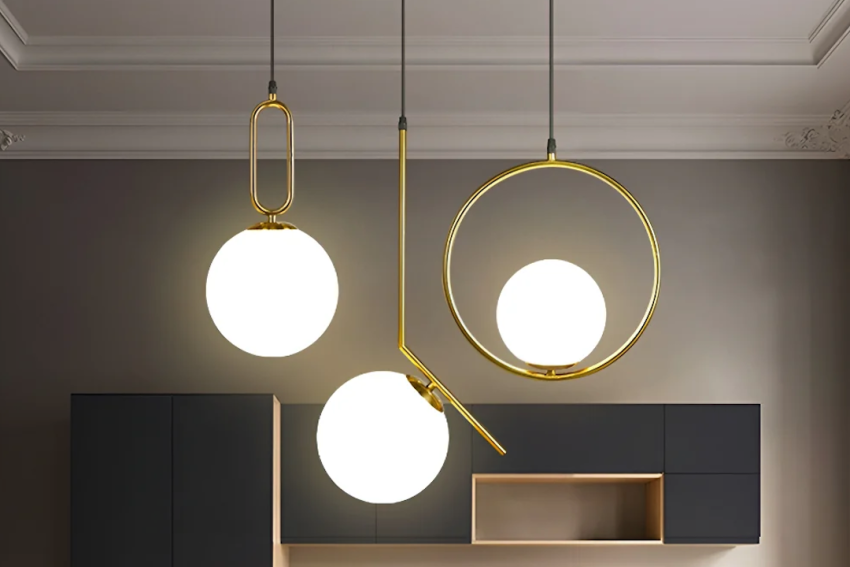
Kitchen pendant lights are a fantastic way to add both style and function to your cooking space, especially if you’re aiming for that clean, understated minimalist look. Instead of just being a bright spot, they can truly elevate the room’s aesthetic. We’re talking about fixtures that blend seamlessly, provide focused lighting where you need it most, and contribute to a feeling of calm and spaciousness. Think streamlined designs, quality materials, and a focus on essential form – that’s the core of minimalist pendants for your kitchen.
When you choose minimalist pendant lights Unilamplighting, you’re not just picking a light fixture; you’re making a design statement. It’s about stripping away the non-essentials to showcase beauty in simplicity. This approach works wonders in a kitchen, often a busy and functional space, by bringing a sense of order and sophisticated elegance.
Beyond Just Lighting
Minimalist pendants do more than just illuminate. They define zones, add depth, and can become subtle focal points without overwhelming the space. Imagine a sleek row of pendants over your island – they draw the eye without shouting for attention, creating a clear visual anchor in an open-plan kitchen.
The Power of Subtlety
The beauty of minimalism lies in its restraint. These lights won’t steal the show; instead, they’ll quietly enhance your kitchen’s overall design. They complement, rather than compete with, other elements like cabinetry, countertops, and appliances. This subtlety ensures your kitchen feels cohesive and thoughtfully designed.
Key Characteristics of Minimalist Pendants
Understanding what makes a pendant light “minimalist” helps you choose the right one for your kitchen. It’s about a combination of form, material, and how it interacts with light.
Streamlined Design
This is perhaps the most obvious characteristic. Minimalist pendants feature clean lines, simple shapes, and an absence of ornate details. Think cylinders, spheres, cones, or simple flat discs. The focus is on the pure geometry of the form. No frills, no fuss.
Quality Materials
Because there’s so little ornamentation, the quality of the materials used becomes paramount. Minimalist designs often highlight the inherent beauty of materials like brushed brass, matte black metal, polished chrome, concrete, unglazed ceramic, or frosted glass. The finish itself becomes a design element.
Understated Color Palettes
You’ll rarely find bright, bold colors in minimalist pendant lighting. Instead, the palette leans towards neutrals: white, black, gray, and metallic tones. These colors contribute to the serene and uncluttered feel, allowing the light itself or the material’s texture to be the star.
Functional Simplicity
Every element serves a purpose. There are no decorative flourishes that don’t contribute to the light’s function or aesthetic integrity. This functional simplicity often results in designs that are timeless and effortlessly chic.
Where to Place Minimalist Pendants in Your Kitchen
Placement is key to maximizing both the aesthetic and practical benefits of your minimalist pendant lights. Think about task lighting, ambient light, and creating visual interest.
Over the Kitchen Island
This is arguably the most popular spot for pendant lights, and for good reason. A row of two or three minimalist pendants above your island provides crucial task lighting for prep work, dining, or even homework. They also define the island as a central hub, creating a natural gathering point.
Spacing and Height
A common guideline for hanging pendants over an island is to have the bottom of the fixture around 30-36 inches (75-90 cm) above the countertop. This height prevents obstruction of views while providing ample light. For spacing, consider the rule of thumb: divide your island into equal segments and center a pendant in each. Or, for a more dramatic look, group an odd number (three or five) over a longer island.
Above the Sink
A single, well-chosen minimalist pendant above the kitchen sink can be incredibly practical. It provides focused light for washing dishes or simply offers a pleasant ambient glow. A smaller, more discreet fixture works well here, especially if you have a window above the sink.
Over a Dining Nook or Table
If your kitchen includes a small dining area, a larger, single minimalist pendant or a cluster of smaller ones can beautifully define this space. It creates an intimate atmosphere for meals and acts as a stylish anchor for the table. Think about pendants with a wider diffusion for this application, or adjustable ones if you want to vary the light.
General Ambient Lighting
While pendants are often task-oriented, some designs with a wider or upward light projection can contribute to the overall ambient lighting in the kitchen, supplementing recessed lighting or other fixtures. This is where you might consider a larger, more sculptural minimalist piece if space allows.
Styling Your Kitchen with Minimalist Pendants
It’s not just about picking a fixture; it’s about integrating it seamlessly into your overall kitchen design. The surrounding elements play a huge role in making your minimalist pendants shine.
Complementary Materials and Textures
Consider your existing kitchen finishes. Do you have matte black hardware? A brushed brass faucet? Pick pendants that echo these materials for a cohesive look. If your countertops are a busy pattern, choose a simpler pendant. If they’re plain, a pendant with a subtle texture (like concrete or fluted glass) can add interest.
Warm vs. Cool Tones
Think about the metal finish of your pendants. Brushed brass or copper adds warmth, perfect for kitchens with natural wood elements or warmer paint colors. Matte black or chrome offers a cooler, more contemporary feel, ideal for pairing with grays, whites, and stainless steel appliances.
Scale and Proportion
A common mistake is choosing pendants that are either too small or too large for the space. For example, a single, tiny pendant over a massive island will look lost. Conversely, oversized pendants can make a smaller kitchen feel cramped. Measure your space, consider the size of your island or table, and ensure your pendants are proportionate.
Light Temperature and Dimmers
This is crucial for setting the right mood. For kitchens, a whiter, slightly cooler light (around 3000K-4000K) is generally good for task lighting, as it enhances visibility. However, for ambient lighting or entertaining, a warmer light (2700K-3000K) is more inviting. Look for pendants that accommodate dimmable LED bulbs so you can adjust the light level from bright task lighting to a soft, ambient glow.
The Power of Repetition
For island lighting, repetition of the same minimalist pendant creates a strong, clean line and a sense of order. This visual rhythm is a hallmark of minimalist design and guides the eye along the length of the counter.
Top Picks: Types of Minimalist Pendant Designs
With so many options out there, it can be helpful to categorize them based on their popular minimalist forms. Each type offers a slightly different aesthetic and light quality.
Sleek Cylinders and Tubes
These are perhaps the quintessential minimalist pendant. Their elongated, simple form offers direct, focused light, perfect for task lighting over an island. They often come in matte black, white, or metallic finishes.
Focus on the Downlight
Cylinder pendants are excellent for directing light downwards, creating distinct pools of light. This is particularly useful for highlighting a specific work surface or setting a focused ambiance.
Geometric Shapes (Spheres, Cones, Discs)
Minimalist design often celebrates pure geometric forms. Spherical pendants, especially in frosted glass or clean metal, emit a softer, more diffused light. Cone-shaped pendants provide a broader downlight, while disc-shaped ones can offer both up and down illumination depending on their design.
A Touch of Modern Art
These shapes can feel like subtle sculptures in your kitchen, adding visual interest without overwhelming. A single large sphere above a small breakfast nook can become a striking focal point.
Exposed Bulb / Bare Bulb Designs
While not always suitable for direct task lighting due to glare, exposed bulb pendants celebrate the beauty of the bulb itself, especially when paired with vintage-style Edison bulbs. They offer a very raw, industrial-minimalist aesthetic and can be great for ambient light or over areas where intense task lighting isn’t needed.
Filament as a Feature
The intricate filaments of an Edison bulb become a decorative element in these designs. They typically provide a warm, inviting glow. Just be mindful of wattage to avoid uncomfortable brightness.
Concrete and Industrial Minimalist
Concrete pendants bring a touch of raw, urban sophistication. Their natural, earthy texture adds depth without needing complex patterns. Paired with simple cords and metallic accents, they embody a sturdy, functional minimalism.
Tactile Appeal
Concrete introduces a unique tactile dimension, differing from smooth metals or glass. This subtle texture can be a refreshing contrast in an otherwise sleek kitchen.
Glass and Acrylic Translucence
Clear, frosted, or smoked glass pendants offer a lighter, airier feel. They allow light to diffuse beautifully, often creating interesting patterns. Fluted or ribbed glass adds a subtle texture while maintaining a minimalist silhouette.
Lightness and Reflection
Glass pendants can make a space feel larger and brighter, as they don’t block visual flow. The interplay of light and reflection can be particularly appealing.
Maintenance and Longevity
Minimalist doesn’t mean maintenance-free, but their simple designs often make cleaning easier. A quick wipe with a soft, damp cloth is usually all that’s needed. For exposed bulbs, remember to turn off the power before handling them. Choosing high-quality LED bulbs will ensure longevity and energy efficiency, further aligning with the functional aspect of minimalism.
By carefully considering these elements, you can select minimalist pendant lights that not only illuminate your kitchen but also contribute significantly to its overall style, creating a space that feels calm, modern, and utterly inviting.